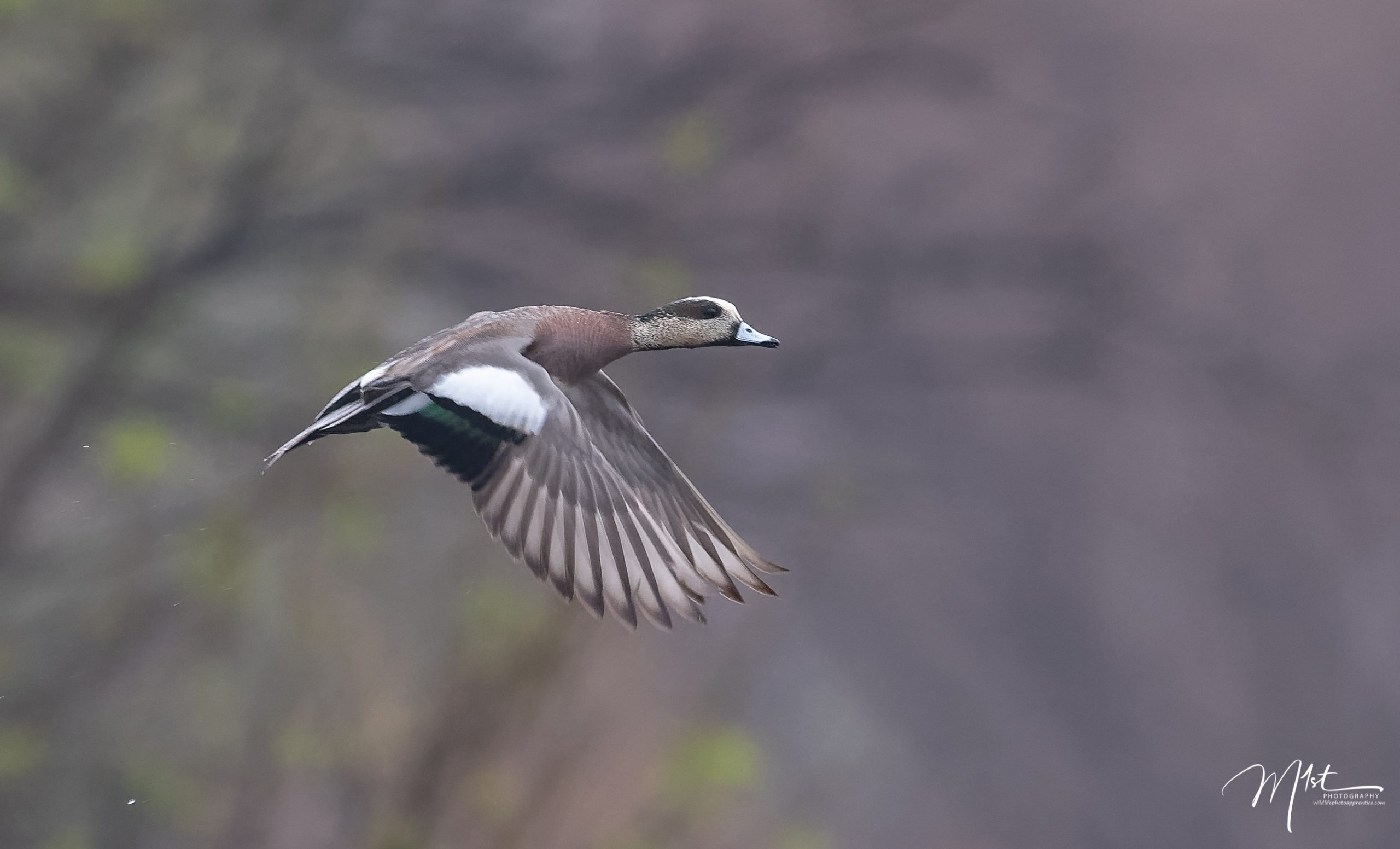
Wildlife photography: Dogs don’t climb trees, do they?

While certain breeds of dogs occasionally climb trees it is certainly an unusual behaviour for most. Dogs primarily prey on animals that live on the ground and therefore have not evolutionarily developed the skills and anatomy to climb trees well.  Cats have strong backs and hind legs with sharp retractable claws which are well suited for tree climbing.  Dogs have weak backs and dull claws. The exception to the rule in the dog family is the Gray Fox.

Continue reading “Wildlife photography: Dogs don’t climb trees, do they?”

The Circle of Life

Walking the trail this morning I thought to myself that this may be the first morning that I just don’t see anything really worth shooting.  It’s unusual to visit our local wildlife preserve and not see a variety of birds that change throughout the seasons.  Most everytime I go out I find something to shoot.  It’s been dry in West Texas for several months and the playa lake at the preserve is almost dry. This has a significant effect on both the amount and variety of birds that visit. I was almost completely around the trail and had only seen a few Redwing Blackbirds.

Continue reading “The Circle of Life”

Bosque Del Apache and T or C : Great wildlife, good food, hot springs and a spa

Have you ever wanted to go somewhere on vacation and spend all day taking wildlife photographs but weren’t exactly into roughing it?  Maybe your spouse isn’t all that excited to spend the day watching you stare at a bird, waiting to take that perfect photo.  If that sounds familiar, do I have the trip for you.

Continue reading “Bosque Del Apache and T or C : Great wildlife, good food, hot springs and a spa”

Wildlife Photography, Mine’s broken

We use this saying around my house anytime  someone doesn’t know how to work something. It has its origin in the movie Pretty Woman. In the scene at the opera, Julia Roberts doesn’t know how to use her opera glasses and famously says   ” Mine are broken”, only to have Richard Gere show her the proper way to use them.  I read so many photography forum posts on the  internet from people blaming their equipment for their blurry out of focus wildlife photos and assuming their lens or camera is not working properly.  I suspect the majority of the time they haven’t spent the necessary time and effort to learn how to use their expensive new camera equipment properly.

Continue reading “Wildlife Photography, Mine’s broken”

Wildlife Photography Tips: I feel the need. The need for speed.

One of the most iconic lines from the 1986 movie Top Gun. If Maverick had been out shooting  geese in flight, instead of shooting  planes with Goose, his top priority would still have been the need for speed, but a few other things would have come in handy as well.  Almost every wildlife photographer starts out photographing birds. Birds are the most readily accessible and abundant wildlife in our environment.  In the beginning capturing a simple still portrait like the cardinal below is challenging and fulfilling.  If we manage something sharp and clear we’re satisfied and happy.  Sooner or later though we become comfortable with the techniques associated with still images, and there is a desire to challenge ourselves further.  For birds this means capturing birds while in flight.

Continue reading “Wildlife Photography Tips: I feel the need. The need for speed.”

Wildlife Photography Tips. Slow down, you’re moving too fast

Paul Simon wrote the 59th Street Bridge Song (” Feeling Groovy “) in 1966. The song starts with the lyrics, “slow down your moving too fast, you got to make the morning last”. I think of that song often and the message it was trying to send. It applies to every aspect of our lives. Nowadays, we all have more to do than we have time to do it. One of the reasons I picked up a camera in the first place was to force me to slow down and see the world in a different light, so to speak. It’s never more important to slow down than when trying to photograph wildlife. Nature works on its own time, and it’s not in a hurry. I think a Chinese philosopher said that, or something like it. Anyway, slow down. Nature rewards the patient photographer.

Continue reading “Wildlife Photography Tips. Slow down, you’re moving too fast”

Wildlife Photography Tips. Wow, this lens is heavy!

I can’t tell you how many times I’ve thought that to myself while walking with my supertelephoto lens. Currently I have a Nikon 500mm F4. This lens, as well as the rest of the supertelephoto group, is heavy. These lenses weighs in at around 10lbs, give or take a pound. Lugging them around is a chore. While you might occasionally take a few handheld shots with these superteles, you need to have some form of stabilization in order to consistently get keeper shots. The solution is a mono pod or tripod with some type of head. Together with your camera, battery grip, and lens, a tripod or mono pod with head adds to the weight. There needs to be a way to carry your rig comfortably, over significant distance and have it remain immediately available for use should a wildlife photography opportunity present itself. I have looked at and tried a number of combinations and the one I find most useful is this. Continue reading “Wildlife Photography Tips. Wow, this lens is heavy!”