A Snowy Owl in West Texas

It doesn’t often snow in West Texas, but strange things happen, and if you live long enough you’ll see some of them.  In the winter of 2017, we had an unusual visitor,  a Snowy Owl in West Texas.  In early December I was out with another photographer at our local wildlife preserve taking photos of birds when he told me his daughter had seen a large white owl in the parking lot of their church the day before.  I told him it was most likely a barn owl as they are native to the area and can be white or very light in color.  When he pulled out his phone and showed me a video she had taken I could hardly believe what I was seeing.  To my disbelief, the video showed a large Snowy Owl.

Continue reading “A Snowy Owl in West Texas”

Wildlife Photography Tips: I feel the need. The need for speed.

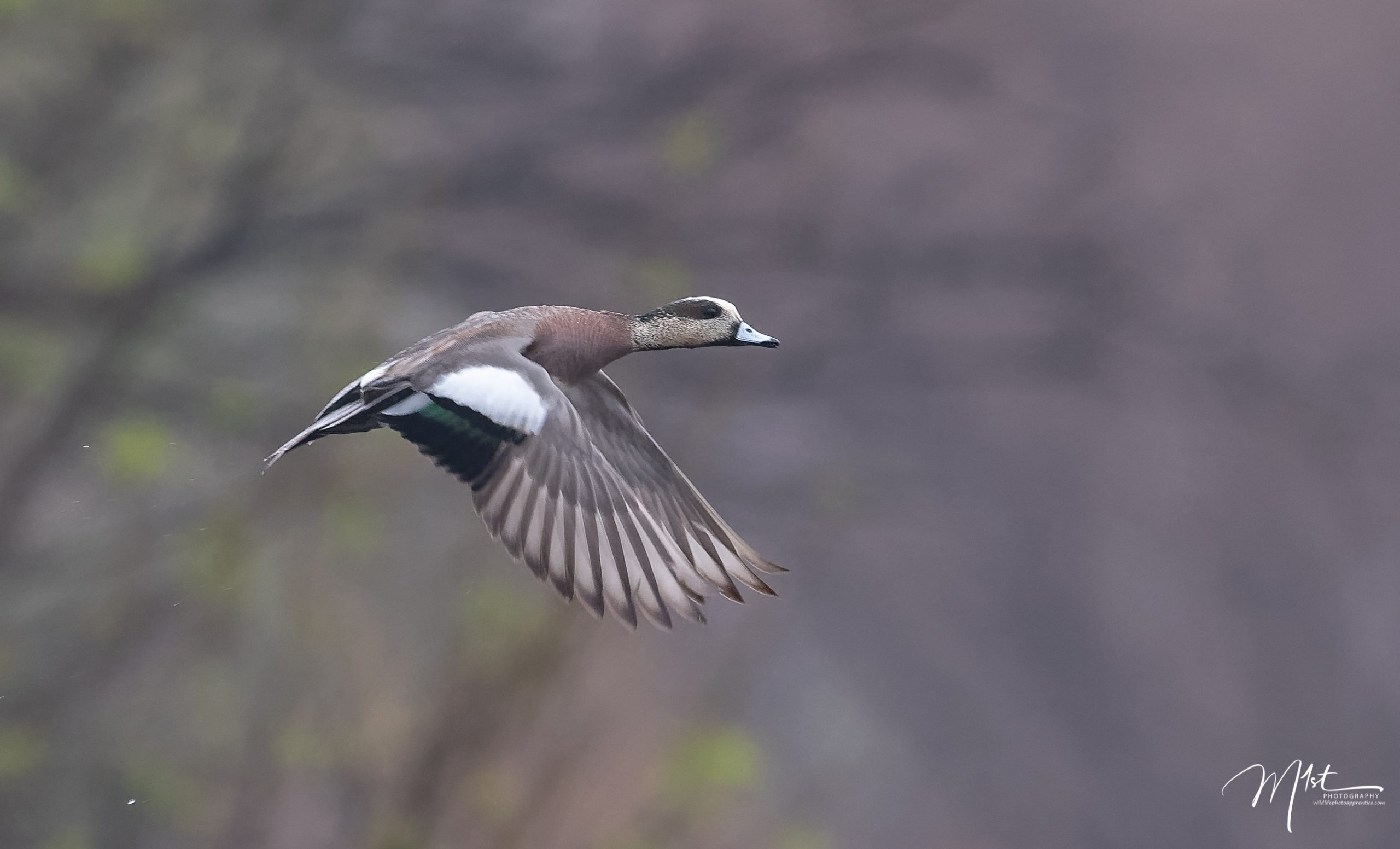
One of the most iconic lines from the 1986 movie Top Gun. If Maverick had been out shooting  geese in flight, instead of shooting  planes with Goose, his top priority would still have been the need for speed, but a few other things would have come in handy as well.  Almost every wildlife photographer starts out photographing birds. Birds are the most readily accessible and abundant wildlife in our environment.  In the beginning capturing a simple still portrait like the cardinal below is challenging and fulfilling.  If we manage something sharp and clear we’re satisfied and happy.  Sooner or later though we become comfortable with the techniques associated with still images, and there is a desire to challenge ourselves further.  For birds this means capturing birds while in flight.

Continue reading “Wildlife Photography Tips: I feel the need. The need for speed.”

Wildlife Photography Tips. Slow down, you’re moving too fast

Paul Simon wrote the 59th Street Bridge Song (” Feeling Groovy “) in 1966. The song starts with the lyrics, “slow down your moving too fast, you got to make the morning last”. I think of that song often and the message it was trying to send. It applies to every aspect of our lives. Nowadays, we all have more to do than we have time to do it. One of the reasons I picked up a camera in the first place was to force me to slow down and see the world in a different light, so to speak. It’s never more important to slow down than when trying to photograph wildlife. Nature works on its own time, and it’s not in a hurry. I think a Chinese philosopher said that, or something like it. Anyway, slow down. Nature rewards the patient photographer.

Continue reading “Wildlife Photography Tips. Slow down, you’re moving too fast”

Beginning Wildlife Photography, The Golden Hour

Photography is all about the light. In fact, without it photography itself would be impossible. We all know that the character and quality of natural light changes throughout the day. Who hasn’t enjoyed watching the sunrise and marveling in the golden light that is present for the hour after. In photography the hour after sunrise and the hour before sunset are referred to as the Golden Hours. Daylight is redder and softer than when the Sun is higher in the sky. When the sun is near the horizon, sunlight travels through a greater depth of atmosphere, reducing the intensity of the direct light, so that more of the illumination comes from indirect light from the sky reducing the lighting ratio. More blue light is scattered, so if the sun is present, its light appears more reddish. In addition, the sun’s small angle with the horizon produces longer shadows. Continue reading “Beginning Wildlife Photography, The Golden Hour”

Photographing Great Horned Owls

I’ve been photographing wildlife for about the past 10 years. I’ve focused mostly on the wildlife that is close at hand and most common to West Texas where I live.  The wildlife in the area is plentiful and diverse if you take the time to look for it.  I have been fortunate enough to be able to photograph a large variety of birds and mammals over time, but have found Great Horned Owls to be quite difficult to find.  I have studied the information regarding their habitat and behaviors and although plentiful in most areas, they have remained elusive to me. Today, while out scouting my local park, I had the opportunity to photograph my first two Great Horned Owls. Continue reading “Photographing Great Horned Owls”

Wildlife Photography Tips. Wow, this lens is heavy!

I can’t tell you how many times I’ve thought that to myself while walking with my supertelephoto lens. Currently I have a Nikon 500mm F4. This lens, as well as the rest of the supertelephoto group, is heavy. These lenses weighs in at around 10lbs, give or take a pound. Lugging them around is a chore. While you might occasionally take a few handheld shots with these superteles, you need to have some form of stabilization in order to consistently get keeper shots. The solution is a mono pod or tripod with some type of head. Together with your camera, battery grip, and lens, a tripod or mono pod with head adds to the weight. There needs to be a way to carry your rig comfortably, over significant distance and have it remain immediately available for use should a wildlife photography opportunity present itself. I have looked at and tried a number of combinations and the one I find most useful is this. Continue reading “Wildlife Photography Tips. Wow, this lens is heavy!”