Beginning Wildlife Photography: Composition in Wildlife Photography

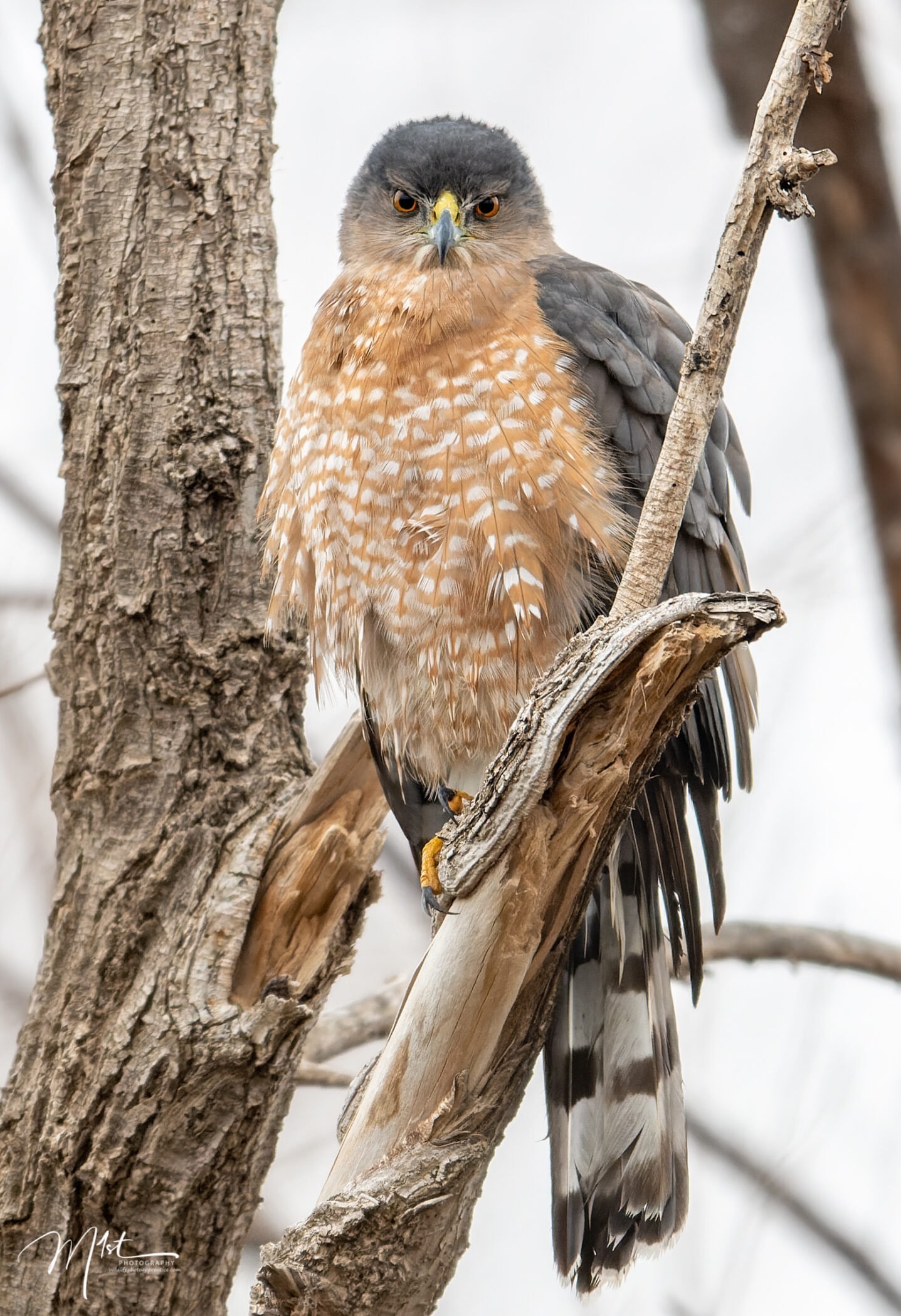
A great wildlife photo is one that captures the essence and beauty of the subject in a unique and compelling way. There are many elements that can contribute to a great wildlife photo. Sharp focus, good exposure, emotional impact, unique perspective, storytelling, technical skills, and last but not least, Interesting composition. The photo should be well-thought-out, using techniques such as the rule of thirds, leading lines, symmetry, and framing to create a visually appealing and dynamic image.

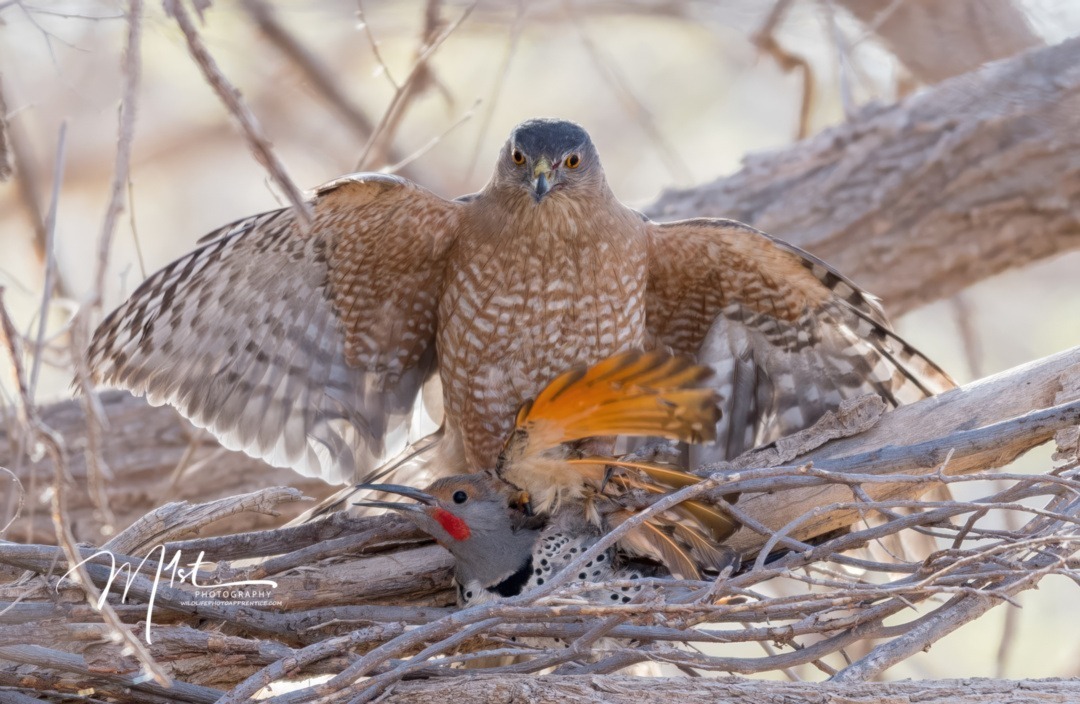
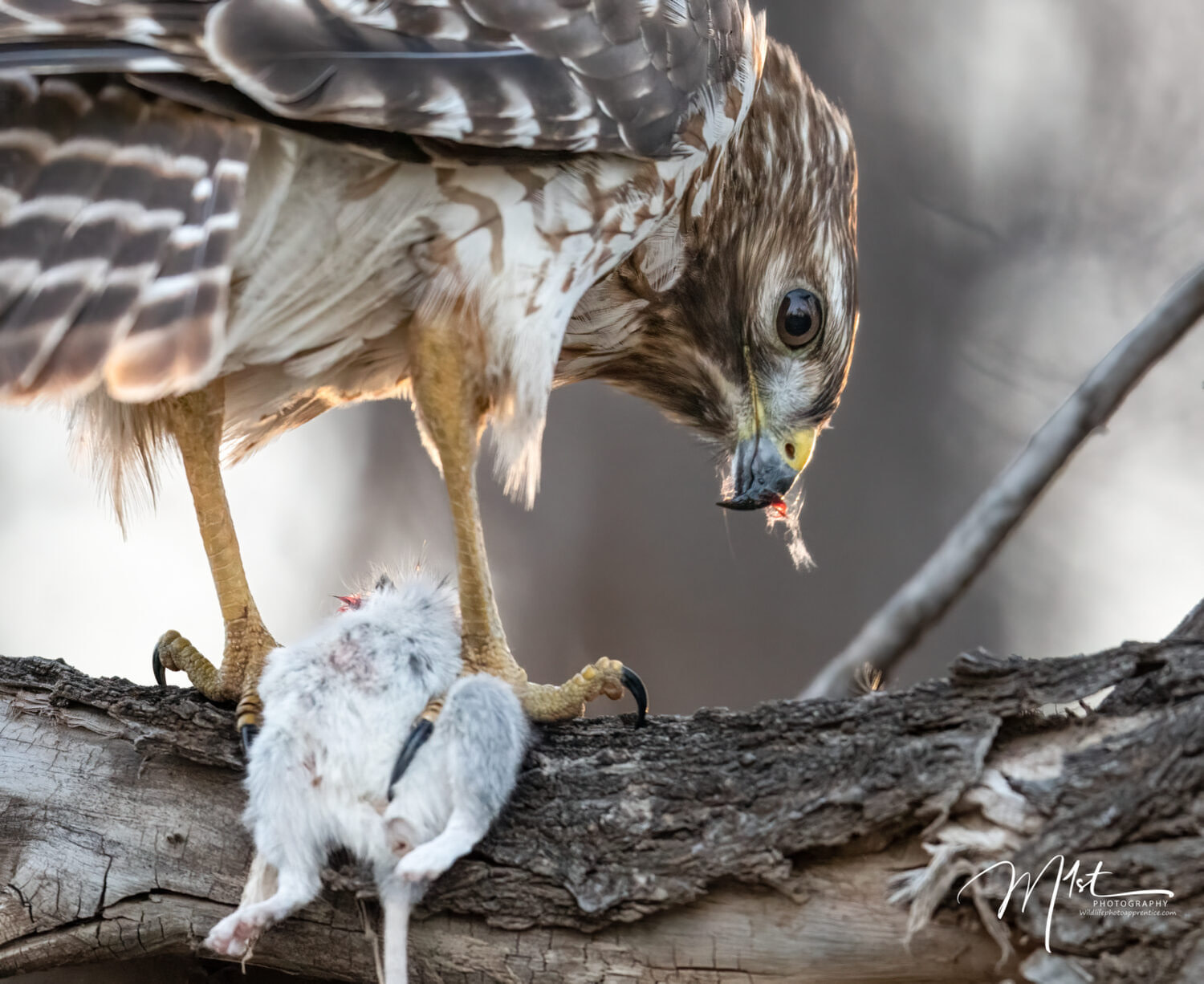
Part of composition is capturing drama and emotion when possible
Continue reading “Beginning Wildlife Photography: Composition in Wildlife Photography”

Beginning Wildlife Photography. Super Telephoto Lenses, What to Know.

Buying and using a super-telephoto lens for wildlife photography can be a daunting task, especially if you are new to this genre of photography. A super-telephoto lens is generally considered any lens with a focal length of 300mm or more. These lenses are essential for capturing wildlife images from a distance, allowing you to capture detailed shots of animals without disturbing their natural behavior.

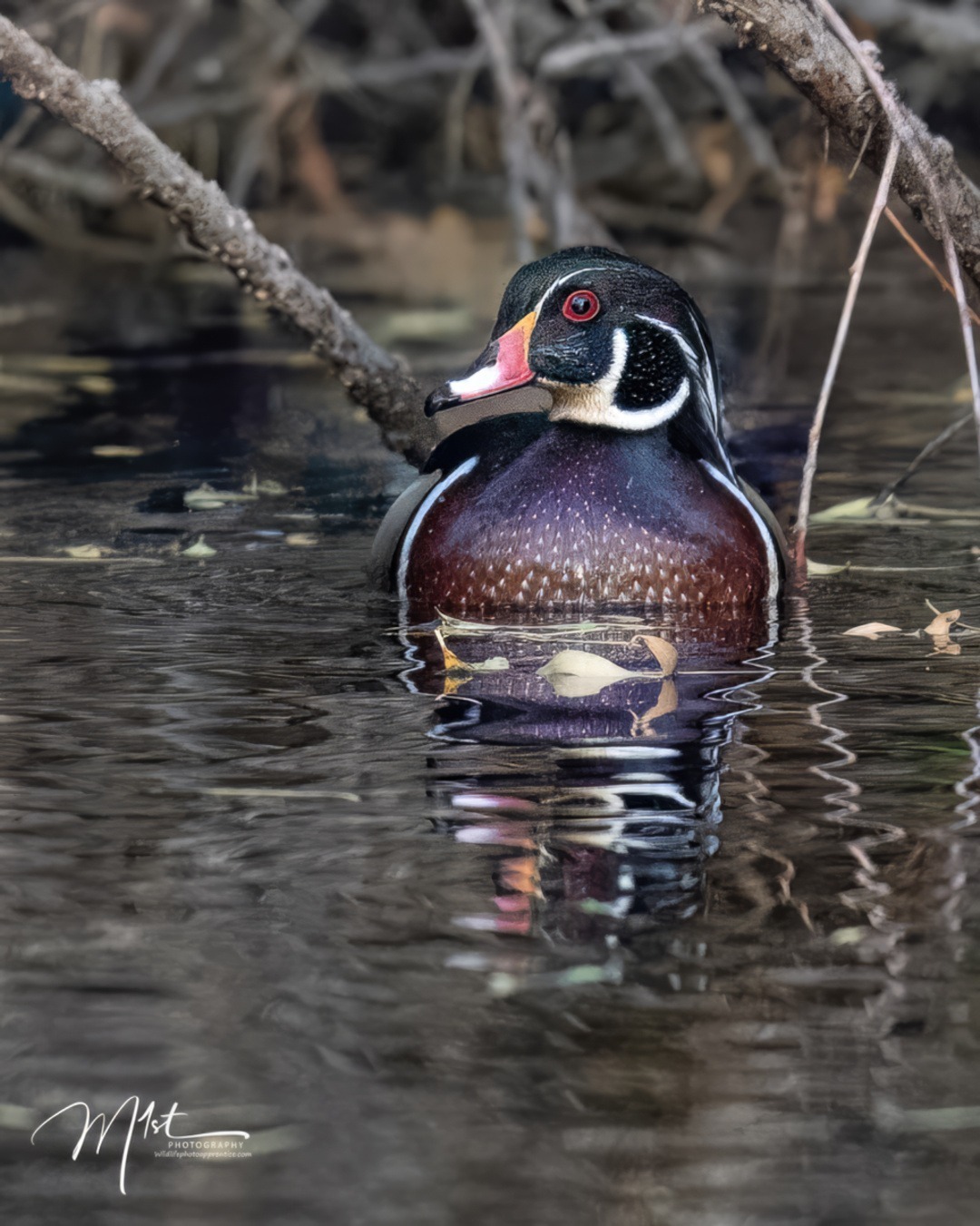
A 600mm f4 allows you to get close to skittish subjects like this Wood Duck
Continue reading “Beginning Wildlife Photography. Super Telephoto Lenses, What to Know.”

Wildlife Photography: Photographing Osprey in West Texas

Ospreys are magnificent birds of prey that are loads of fun to photograph. Their manner of fishing by diving feet first is exhilarating to watch and a challenge to photograph. Living in West Texas you may think your chances of photographing an Osprey might be slim but even though Ospreys are not common in West Texas they can be found more often than you think. During their migration, they can be found near any body of water such as freshwater lakes and playas as long as there are good fish populations. The best time to spot them is during the fall migration, late September through mid-November. Believe it or not, all of the photographs posted in this blog were taken in Midland Texas. Let’s explore some things about Ospreys that will help you improve your chances of photographing one next fall.

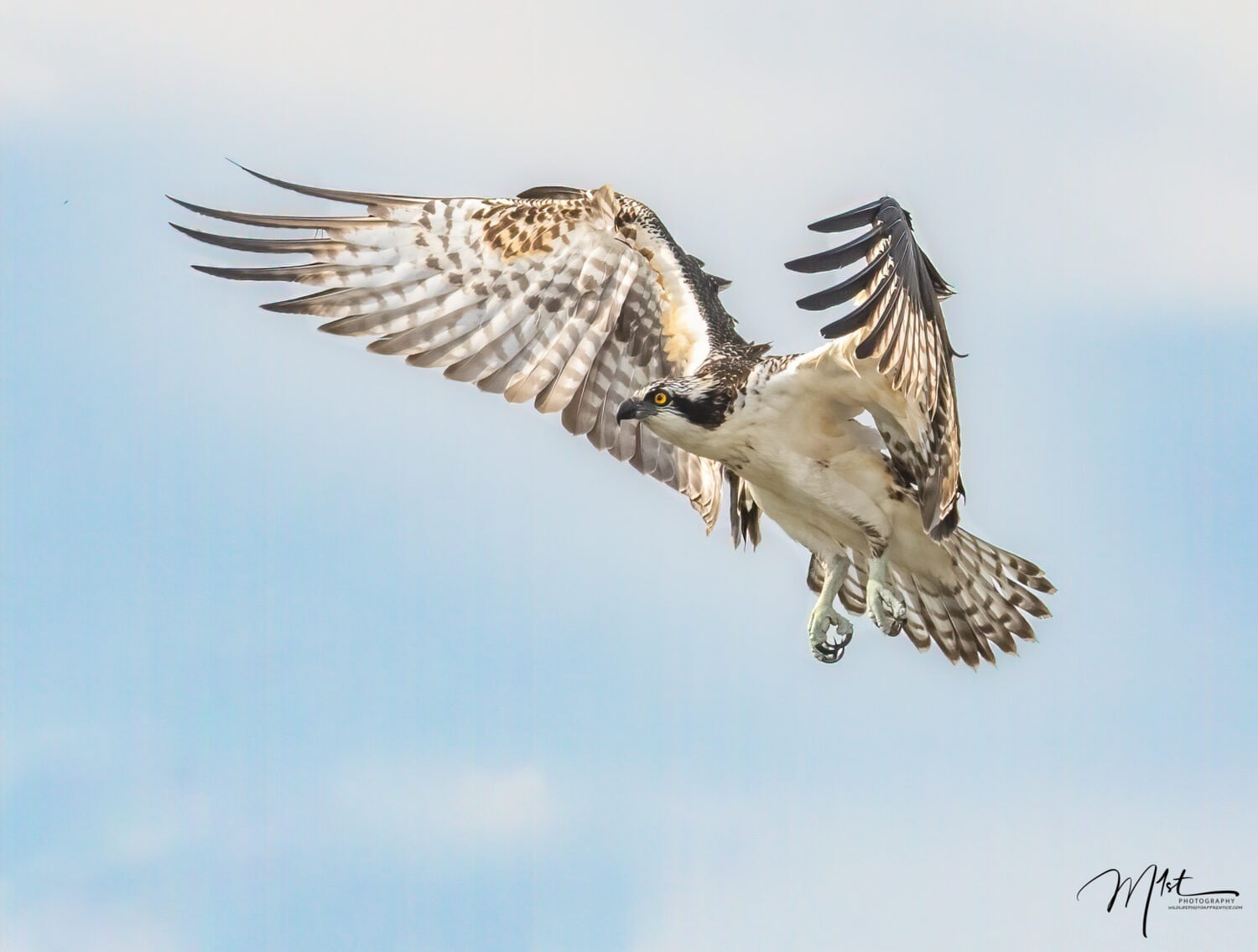
Adult Osprey have average wingspans of 5 1/2 feet or more
Continue reading “Wildlife Photography: Photographing Osprey in West Texas”

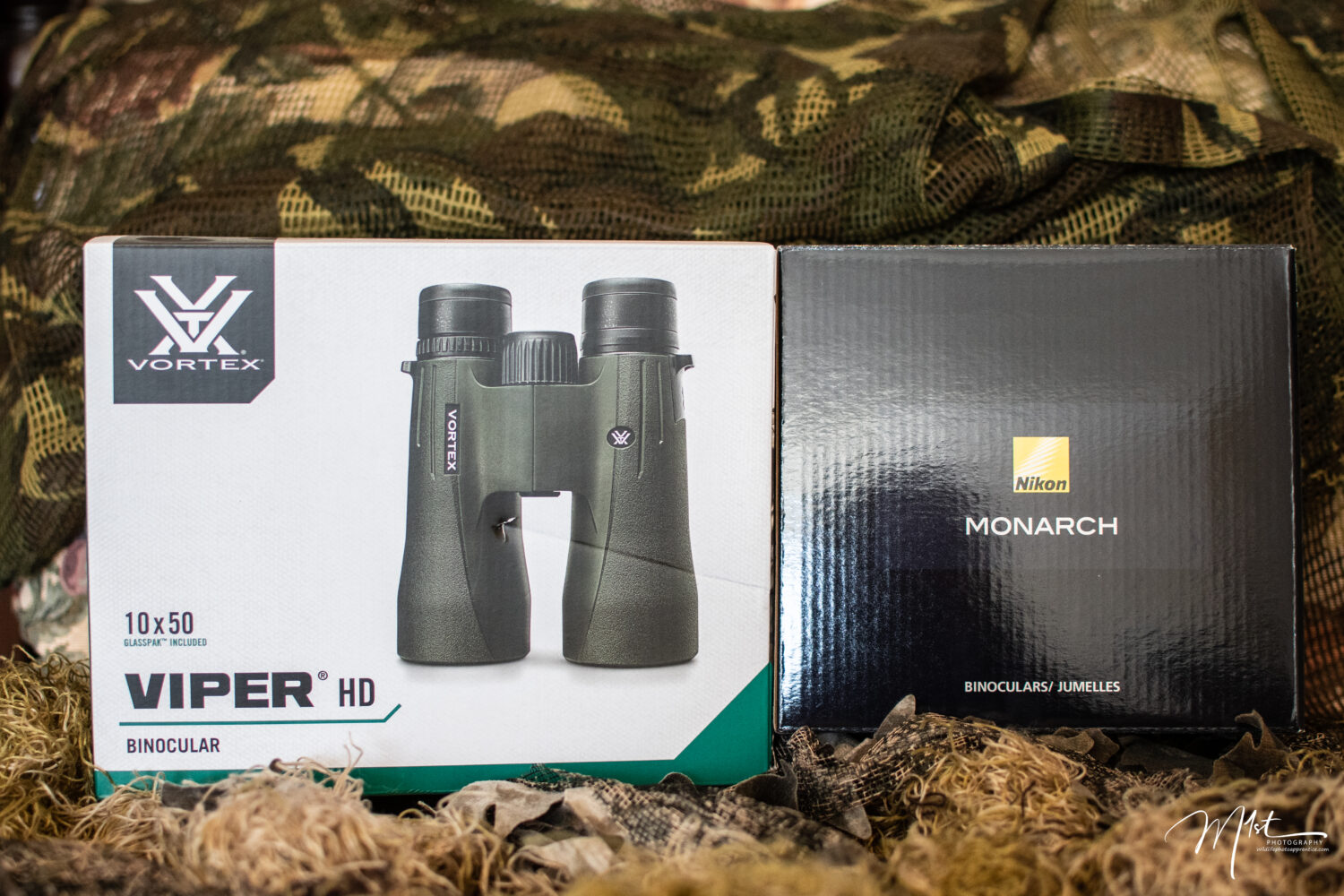
Nikon Monarch M5 8×42 versus Vortex Viper 10×50, two great binoculars.

Like a lot of wildlife photographers, I carry binoculars with me when I go out to photograph. I recently found that my Nikon Monarch 3 binoculars were not focusing correctly. Because of their age, I decided to replace them with a new pair from Vortex Optical, the Viper HD. After my new purchase, I had nothing to lose, so I decided to test the lifetime warranty from Nikon. I sent the old pair in for repair. Somewhat to my surprise, two weeks late,r I received a new pair of Monarch M5 binoculars in their place along with a letter stating that the others were unrepairable and would be replaced at no charge. Kudos to Nikon for honoring their lifetime warranty. I now have two great binoculars, and what follows is a review of both.

Continue reading “Nikon Monarch M5 8×42 versus Vortex Viper 10×50, two great binoculars.”

Wildlife Photography, learning to keep your photographic ducks in a row.

Keeping your ducks in a row is an old expression for sure but some expressions remain useful and are timeless. Photographing wildlife is complex and involves a process with many individual steps or “ducks” to keep in sequence if you want to achieve the best outcome. Most people who haven’t tried wildlife photography before think you just walk out the front door, take a photo of an animal, and put it online, perhaps because these days with smartphones that’s exactly how most photographs are taken. Those of us who photograph wildlife regularly for business or pleasure know it’s a bit more complicated than that. To produce your average random wildlife photo you could just depend on getting lucky once in a while but to produce good quality wildlife photos consistently, they have to be preceded by a significant amount of study and preparation, as well as a multistep post-processing routine. Photographing Ducks is fun and is a good way to illustrate the multiple steps that are involved. Lets’ take a look at how I like to keep my ducks in a row while photographing ducks.

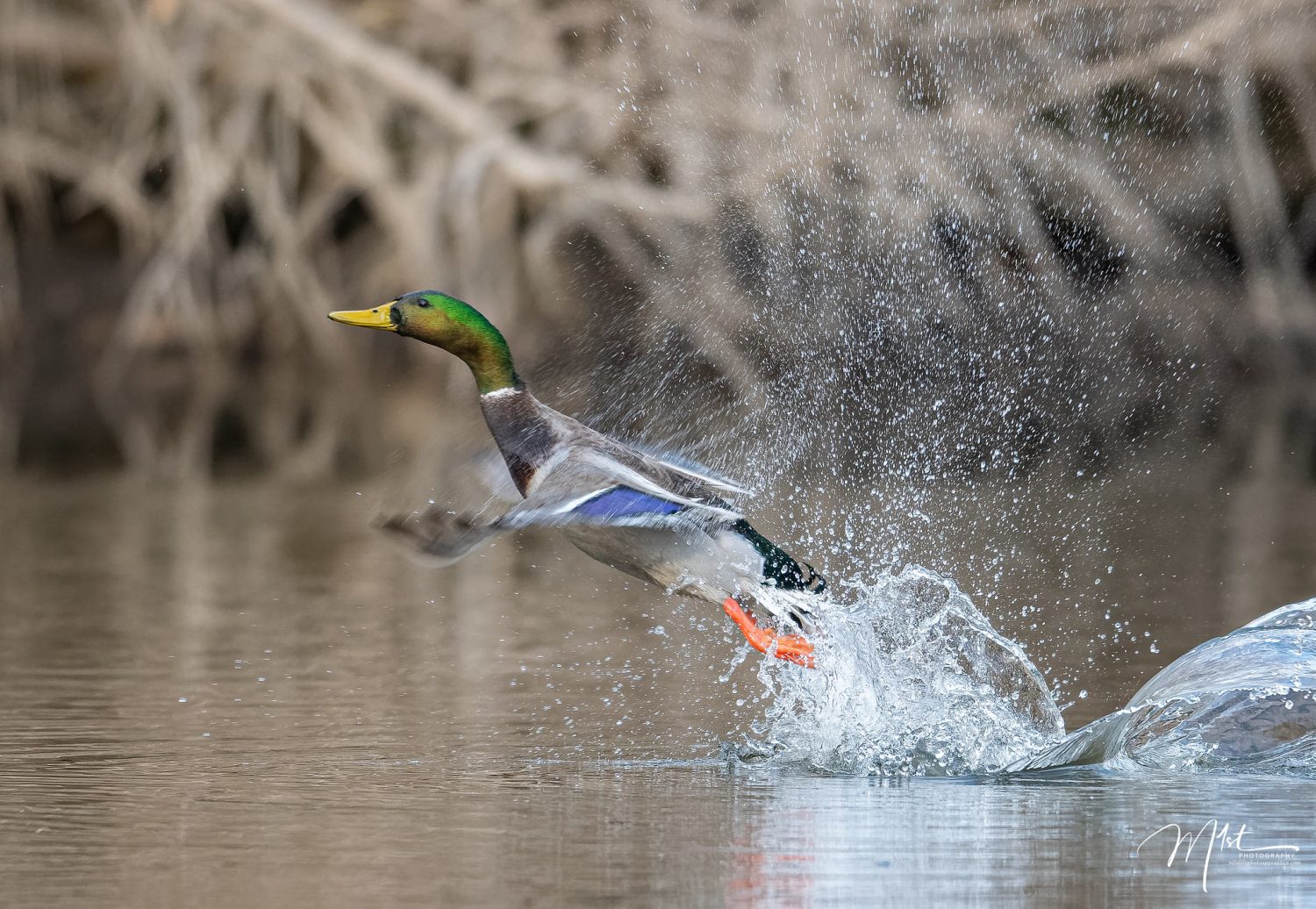
Mallard drake taking wing.

Continue reading “Wildlife Photography, learning to keep your photographic ducks in a row.”

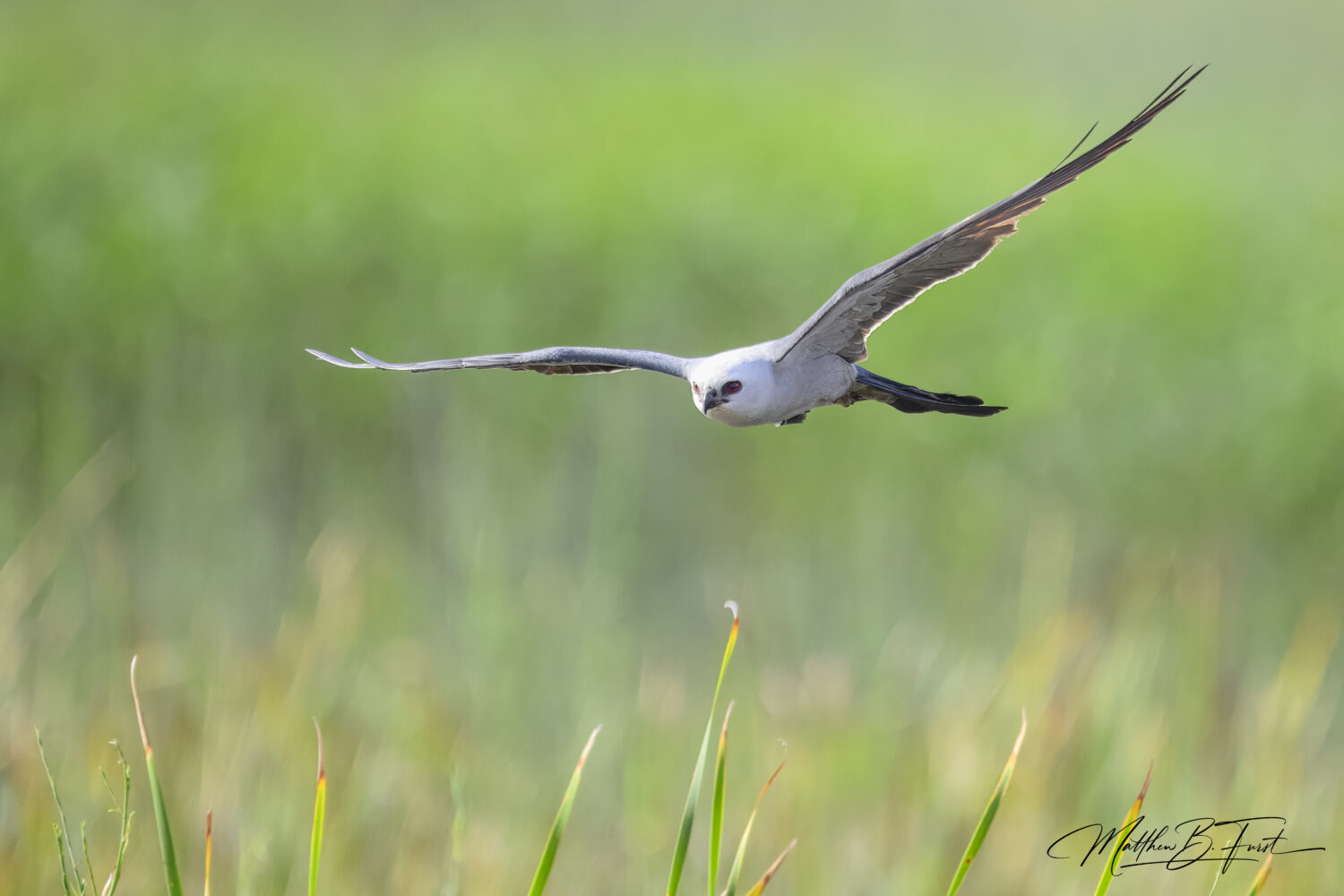
Wildlife photography: One Mississippi Kite, two Mississippi Kites, three Mississippi Kites

When I was a kid, we used to play touch football in the street. Because there wasn’t an offensive line, we had to count ten seconds out loud before we could rush the quarterback. When we counted, we would use Mississippis because supposedly it takes one second to say “One Mississippi”. Say it ten times and you could rush the quarterback. I was out recently looking for wildlife to photograph when I came across several beautiful raptors that caused me to harken back to those days. I found myself counting each of the several birds circling overhead in Mississippis as if I were a kid on the football field. One Mississippi Kite, Two Mississippi Kites, and so on.

Continue reading “Wildlife photography: One Mississippi Kite, two Mississippi Kites, three Mississippi Kites”

Wildlife photography: The I-20 Wildlife Preserve

If you have ever been to West Texas then you know there really isn’t much to look at. You can literally drive a hundred miles and not change elevation more than 10 feet. For the most part, it’s dry and arid. The average yearly rainfall is about 14 inches and not a lot can grow in those conditions. Every once in a while though you’re lucky and you find an oasis in the desert.

A Canvasback duck at the preserve
Continue reading “Wildlife photography: The I-20 Wildlife Preserve”

The Circle of Life

Walking the trail this morning I thought to myself that this may be the first morning that I just don’t see anything really worth shooting.  It’s unusual to visit our local wildlife preserve and not see a variety of birds that change throughout the seasons.  Most everytime I go out I find something to shoot.  It’s been dry in West Texas for several months and the playa lake at the preserve is almost dry. This has a significant effect on both the amount and variety of birds that visit. I was almost completely around the trail and had only seen a few Redwing Blackbirds.

Continue reading “The Circle of Life”

Beep Beep

Was out this afternoon looking for things to shoot.  I didn’t come across Wile E Coyote  but I did  I come across a Road Runner or Chaparral.  According to the Audubon website, the roadrunner is the most famous bird in the southwest, featured in folklore and cartoons, known by its long tail and expressive crest. The Roadrunner walks and runs on the ground, flying only when necessary. It can run 15 miles per hour, probably with much faster spurts when chasing a fast-running lizard or other prey. Its prowess as a rattlesnake fighter has been much exaggerated, but it does eat a remarkable variety of smaller creatures.

Continue reading “Beep Beep”