Wildlife photography is a rewarding and exciting hobby, but locating wildlife can be a challenging task. Finding the right location and knowing when and where to look for wildlife is key to capturing stunning images. In this article, we will discuss some things you can do to locate wildlife to photograph in their natural settings.
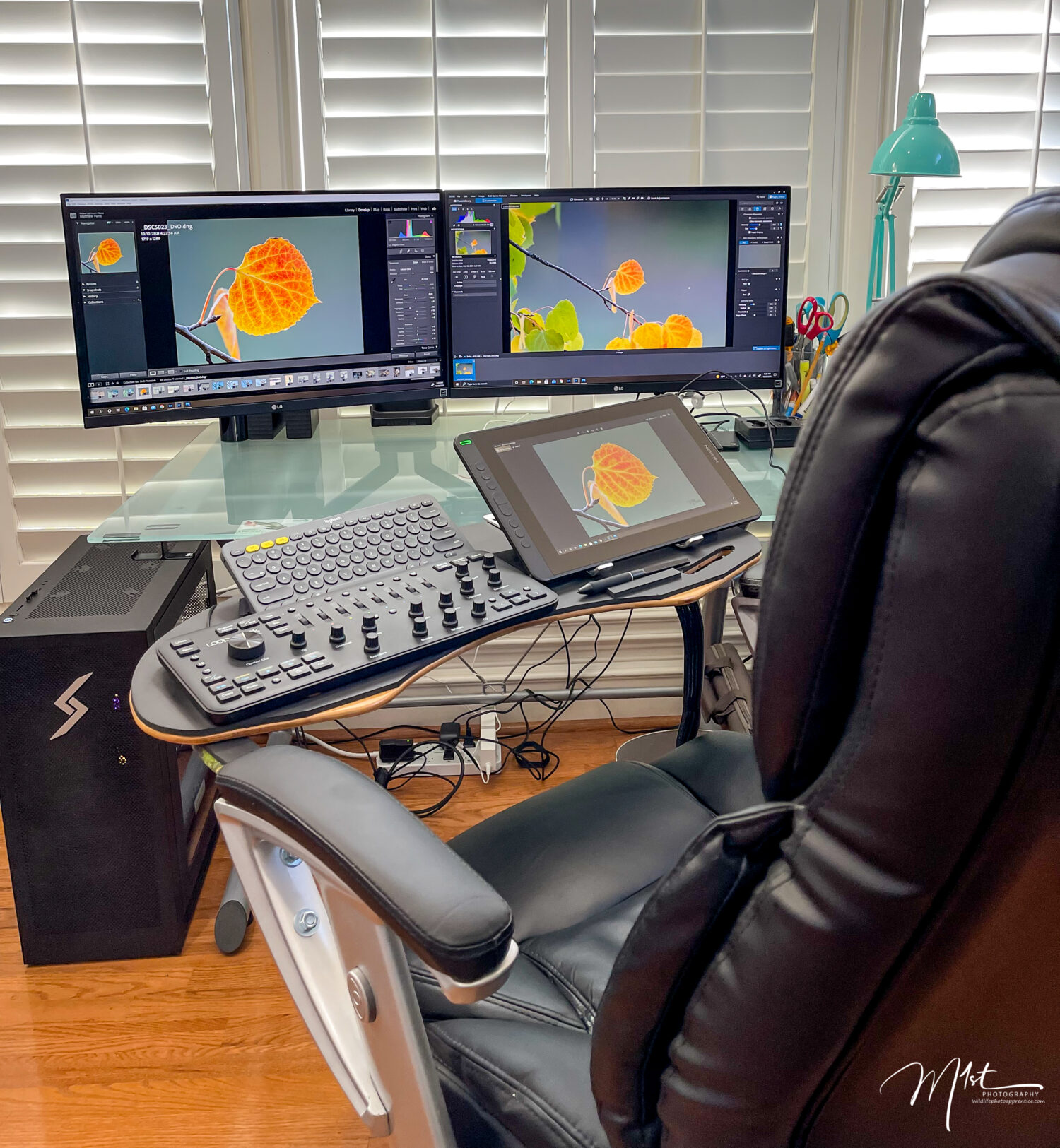
Photo-editing is an essential and tedious part of any photographer’s workflow. As wildlife photographers, we spent significant amounts of money on cameras, lenses, and other equipment for capturing our images on the front end. We incur an additional cost when we travel to exotic locations to pursue our subjects. The expenditures don’t stop when it comes to post-processing our images with computers, software, and peripherals such as Wacom tablets and Loupdeck panels that make the entire process easier and more efficient. Spending hours in front of a computer editing photos takes concentration and can be mind-numbing. The more comfortable you are while doing it, the less mind-numbing it will be. For a comparatively minimal investment of both money and time, you could soon be editing your photos in both comfort and style.
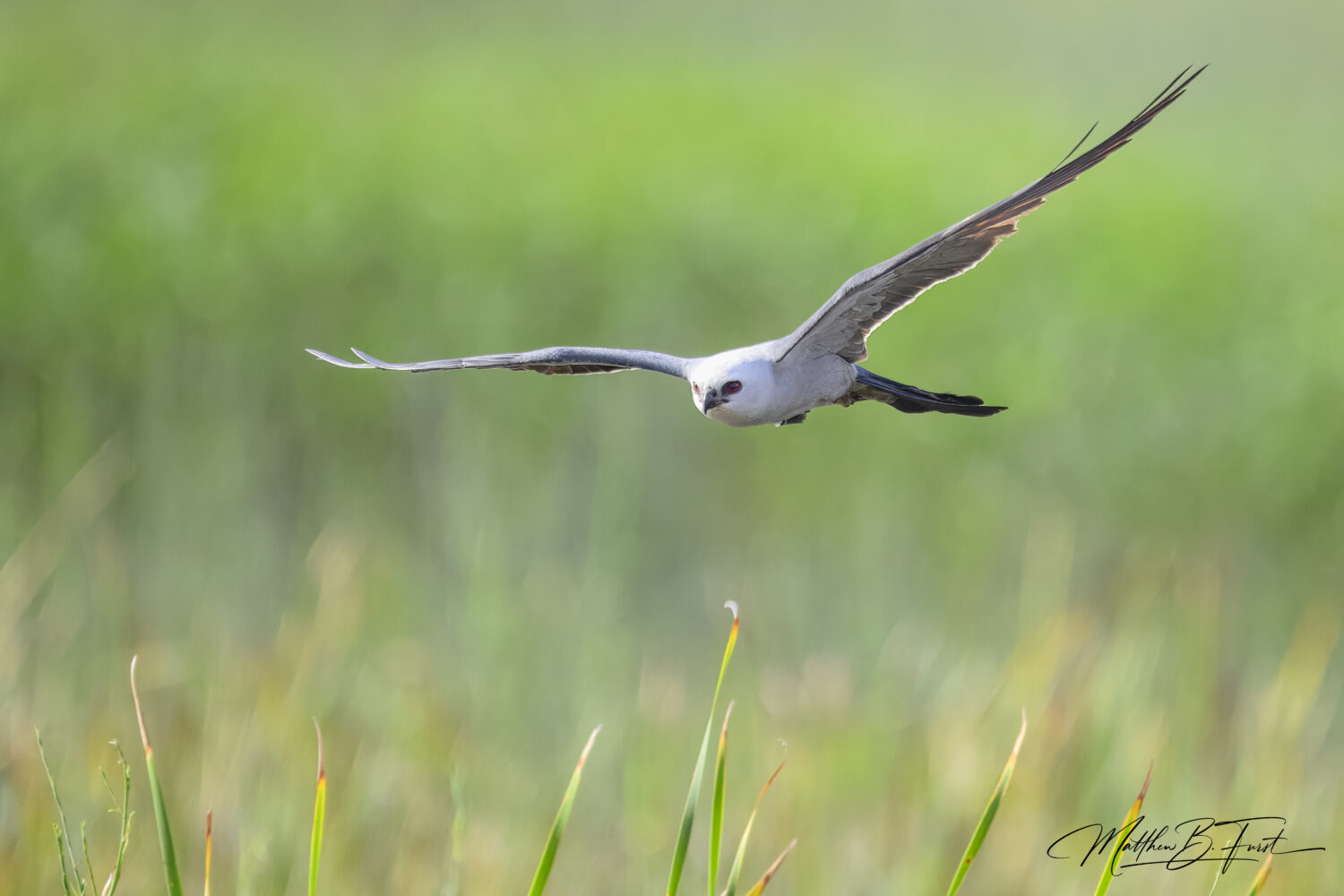
When I was a kid, we used to play touch football in the street. Because there wasn’t an offensive line, we had to count ten seconds out loud before we could rush the quarterback. When we counted, we would use Mississippis because supposedly it takes one second to say “One Mississippi”. Say it ten times and you could rush the quarterback. I was out recently looking for wildlife to photograph when I came across several beautiful raptors that caused me to harken back to those days. I found myself counting each of the several birds circling overhead in Mississippis as if I were a kid on the football field. One Mississippi Kite, Two Mississippi Kites, and so on.
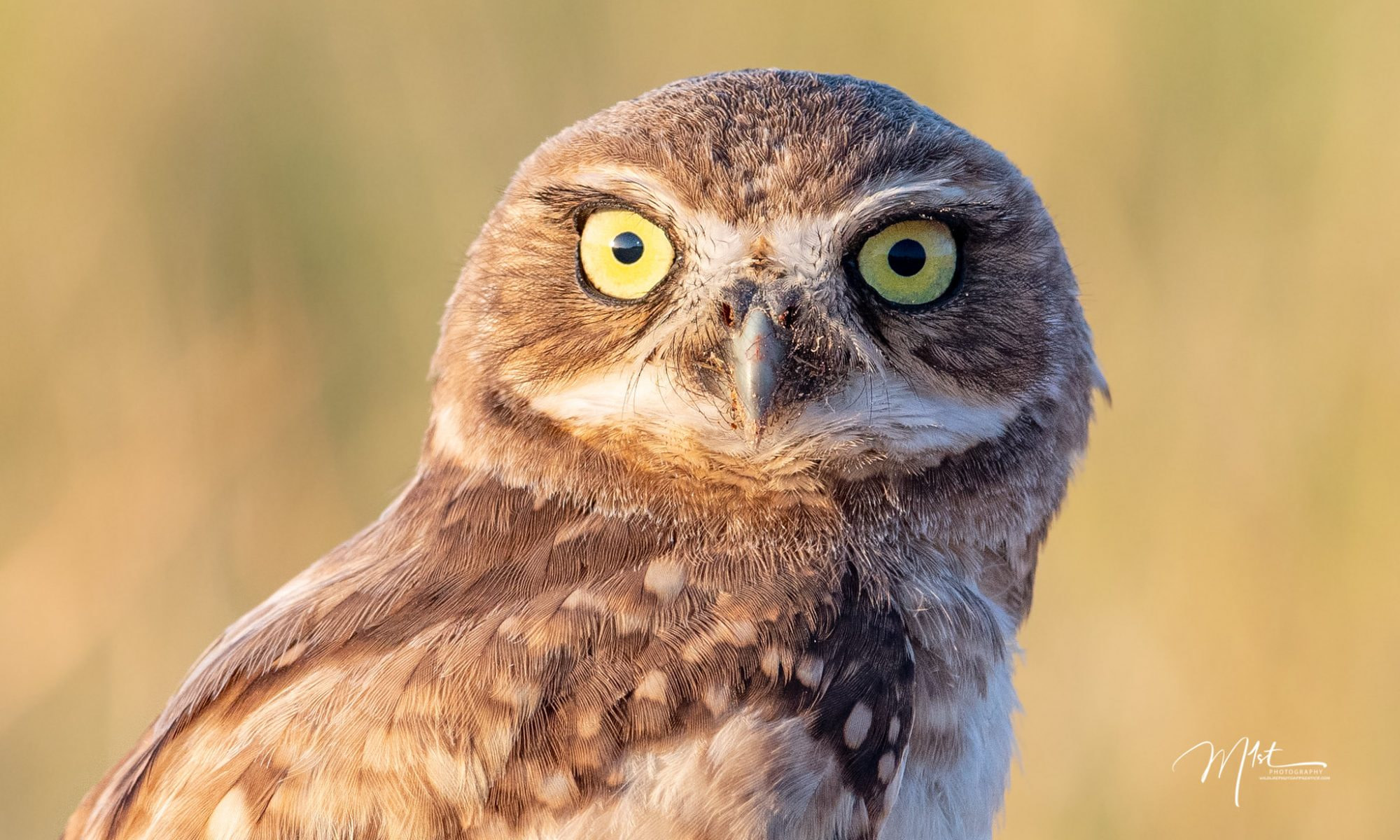
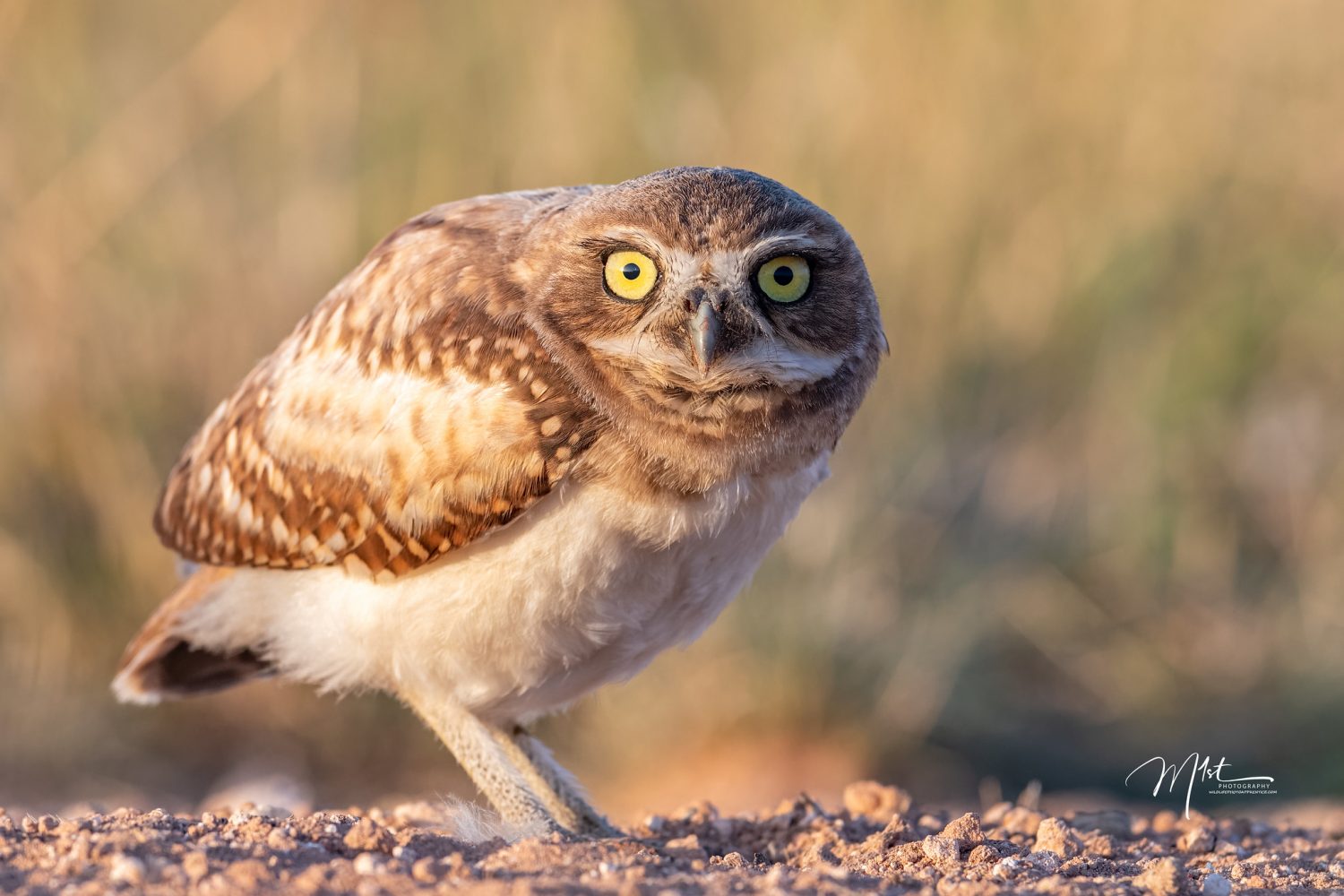
I think it was Humphry Bogart who said, “She had the kind of eyes you could get lost in”. I love to photograph owls for a lot of reasons but mostly because of their eyes. They have the kind of eyes you can get lost in. When beginning to photograph wildlife it’s important to understand that an animal’s eyes are the most important part of the composition of a wildlife photo. Because of their large prominent eyes, owls offer a great opportunity to practice this principle. Owls, however, are very reclusive nocturnal creatures for the most part which can make finding them and subsequently photographing them quite difficult. There is one species of owl however that is relatively easy to find and is active during the day. The Burrowing Owl. If you want to practice your wildlife photography and work with a subject that has great eyes, then burrowing owls are just the trick.
If you have ever been to West Texas then you know there really isn’t much to look at. You can literally drive a hundred miles and not change elevation more than 10 feet. For the most part, it’s dry and arid. The average yearly rainfall is about 14 inches and not a lot can grow in those conditions. Every once in a while though you’re lucky and you find an oasis in the desert.
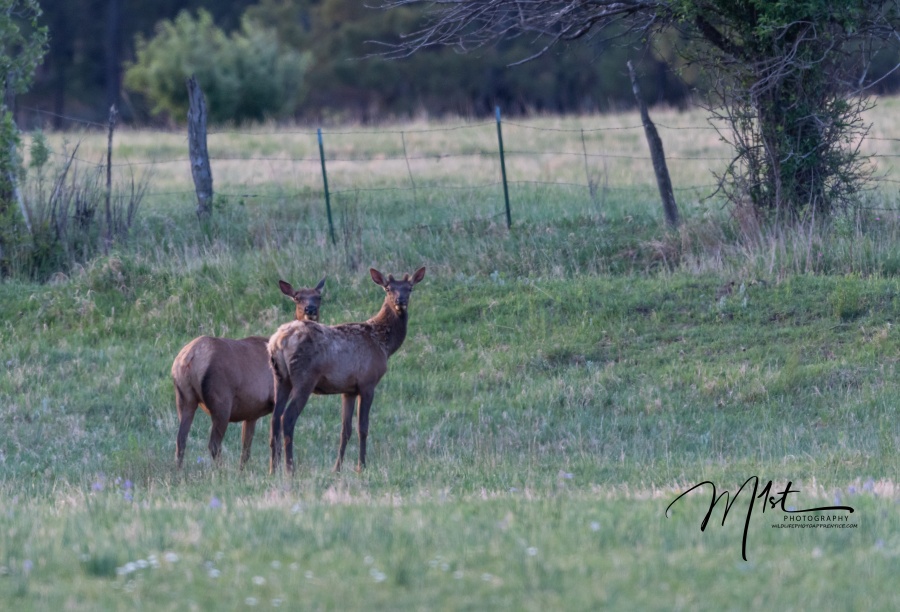
The sun was due to rise at about 6:00 am the next day, so I was up early to position myself. Hidden at the base of a large tree at the edge of the field, I sat listening to the sounds of the morning as sunrise approached. I adjusted my ISO to achieve an acceptable shutter speed in the low light conditions, and I waited. It wasn’t too long before I heard the noise of large animals moving through the brush down by the stream. Soon a number of what are the largest members of my field ecosystem began to wander into the pasture. A small herd of elk.