
I often see the question being asked on wildlife photography boards, “How do I become a wildlife photographer?”. As with life, the process, in my opinion, is all about the journey and not the destination. My journey into wildlife photography began with a love for the outdoors and backpacking, activities that allowed me to immerse myself in nature and frequently observe animals in the wild. When I first picked up a camera, my photography results were, as you might expect, very novice. They often consisted of blurry images and poorly composed shots. Finding subjects was a challenging task. However, as my passion grew, I sought out more experienced photographers for inspiration, attended workshops, and joined online communities. I am always critical of my work, constantly analyzing my photos and comparing them to those of more experienced photographers to identify areas for improvement. Over time, this led me to embark on dedicated wildlife photography trips, where I could focus entirely on capturing specific species in specific environments. While my journey is ongoing and I’m certainly no wizard, this ongoing journey continues to lead me through many interesting and educational twists and turns, including the development of this website. If you’re interested in taking the journey yourself and want to know what’s involved, then read on.
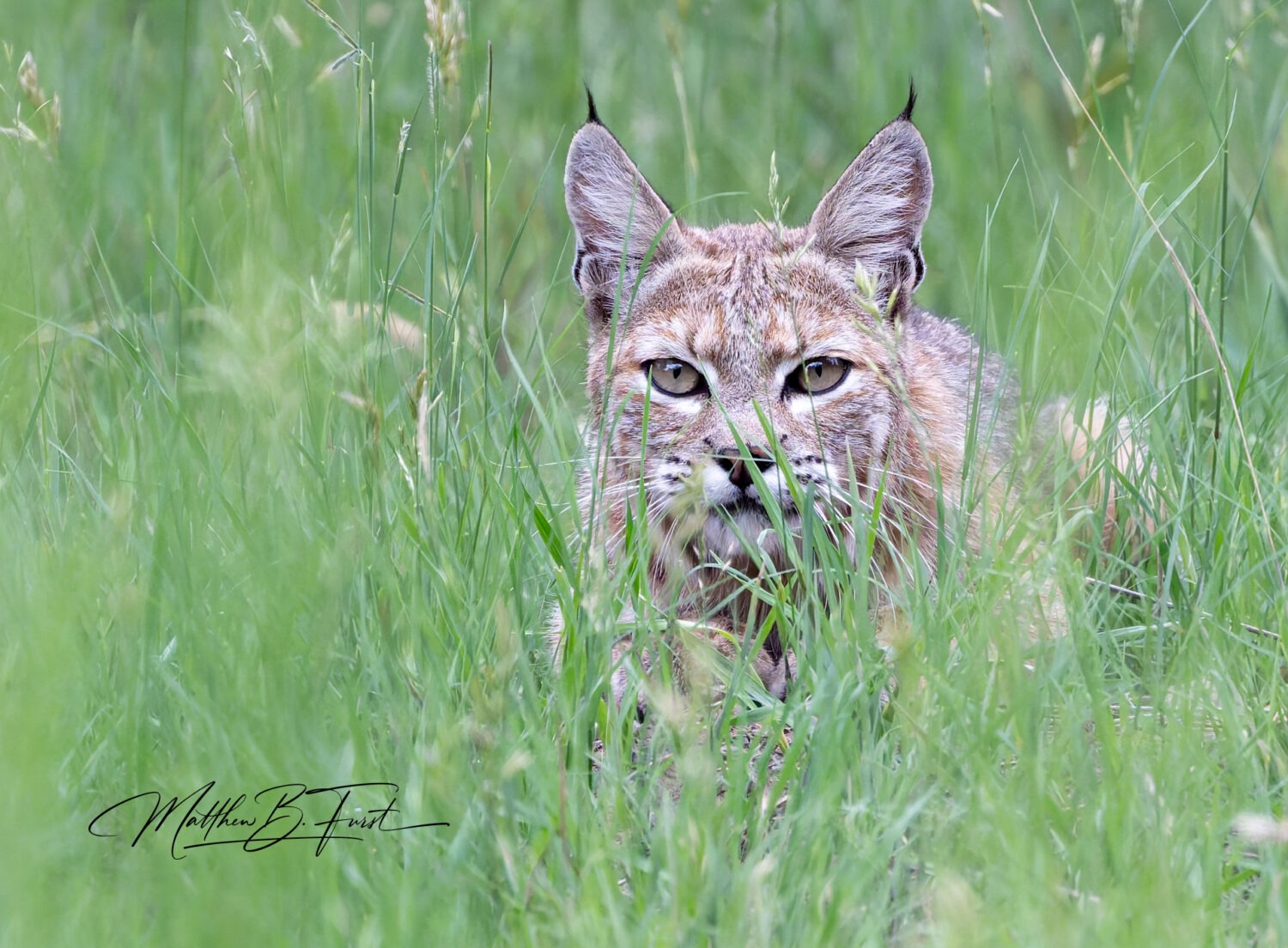
Wildlife photography is a journey of transformation, where enthusiasts evolve into masters of their craft. This journey begins with the basics—understanding camera functions and photographic techniques—and progresses into capturing intricate scenes involving various animals in challenging environments. Additionally, the development of post-processing skills plays a significant role in refining and enhancing a photographer’s work. Here, we will explore the stages of progression that wildlife photographers experience as they gain expertise.
The journey of a wildlife photographer often starts with a deep passion for nature and wildlife. In the beginning, aspiring photographers focus on understanding their equipment and mastering fundamental photographic techniques. They spend considerable time learning how to operate their cameras, from understanding different modes (manual, aperture priority, shutter priority) to adjusting settings like ISO, shutter speed, and aperture. Mastery of focus and exposure controls is also a key focus at this stage.
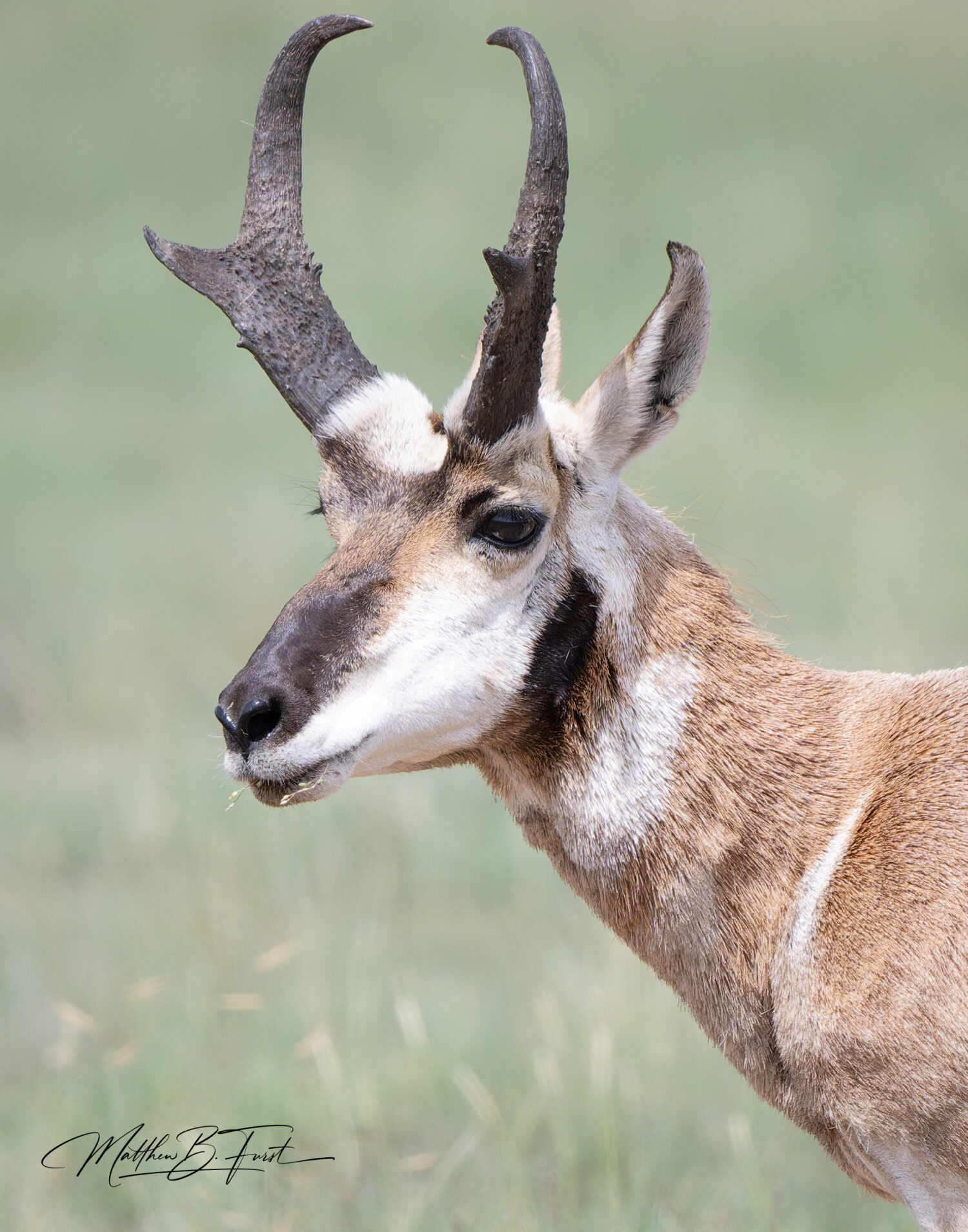
Photographers at the novice level practice composing shots, understanding lighting, and capturing sharp images. They experiment with different angles, perspectives, and compositions to create visually appealing photographs. Early post-processing efforts are typically straightforward, involving basic adjustments to brightness, contrast, and saturation. These skills allow photographers to enhance their images and correct minor issues, making their initial wildlife encounters more rewarding.
As photographers become more comfortable with their equipment and techniques, they seek more challenging subjects and environments. This intermediate stage is marked by a desire to expand their horizons and improve their skills further. Photographers start using advanced techniques such as long exposures, macro photography, and high-speed photography. They experiment with different lenses, including telephoto lenses for distant subjects and macro lenses for close-up shots.
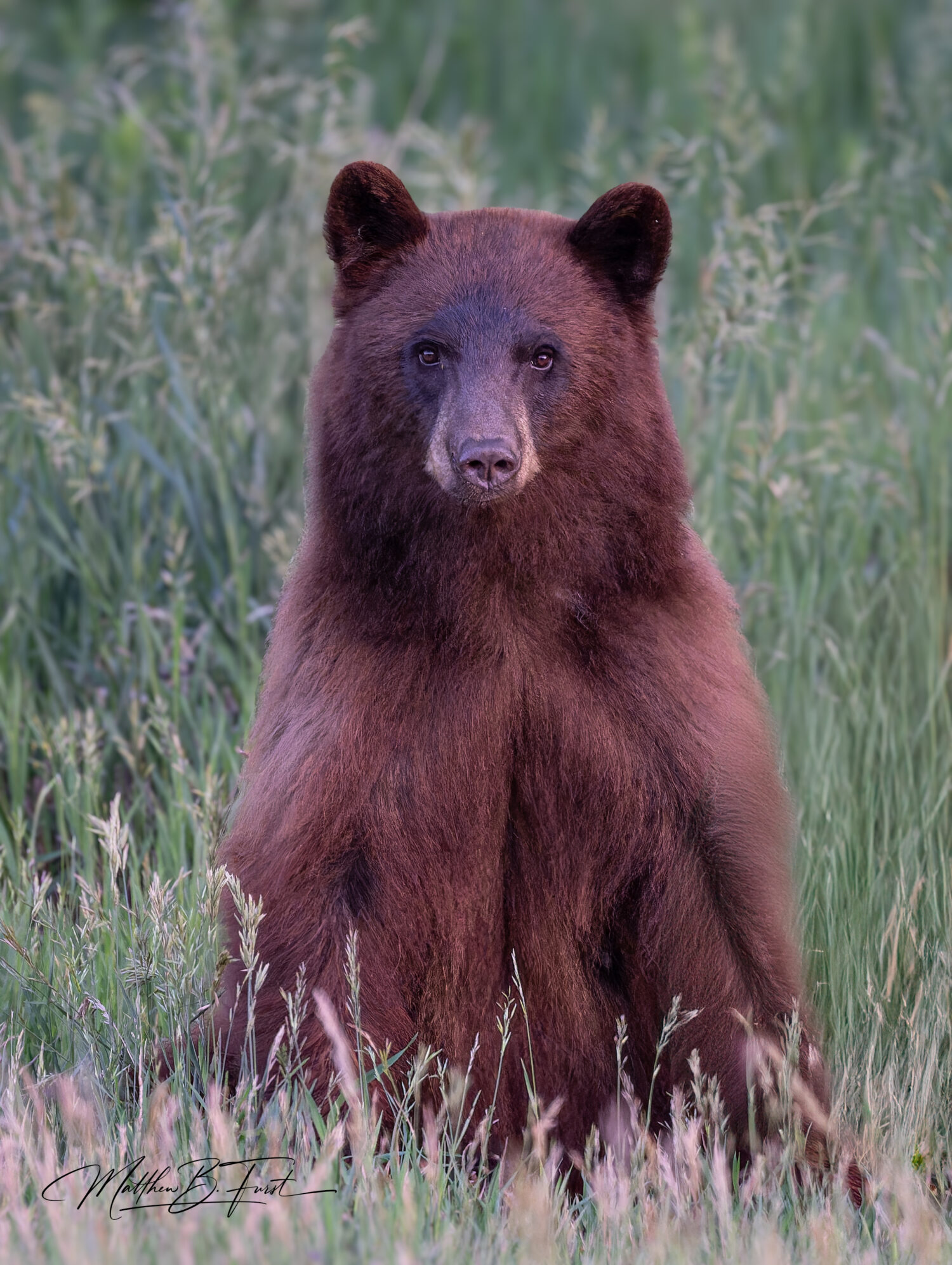
A deeper understanding of animal behavior becomes crucial at this stage. Photographers learn to anticipate the movements and actions of their subjects, allowing them to capture more dynamic and interesting shots. This often involves spending hours observing and studying wildlife in their natural habitats. Additionally, they venture beyond familiar locations to explore diverse ecosystems, traveling to wildlife reserves, national parks, and remote wilderness areas to capture a wider variety of animals. These environments present new challenges, requiring photographers to adapt to different lighting conditions and terrains.
Post-processing skills also advance significantly during this stage. Photographers learn to use software like Adobe Lightroom, Photoshop, Topaz Photo AI, and DXO Prime to fine-tune their images. They explore techniques such as color correction, masking, noise reduction, and sharpening, which help them create more polished and professional-looking photographs. Advanced post-processing can also involve blending multiple exposures for high dynamic range (HDR) images or stitching together panoramic shots.
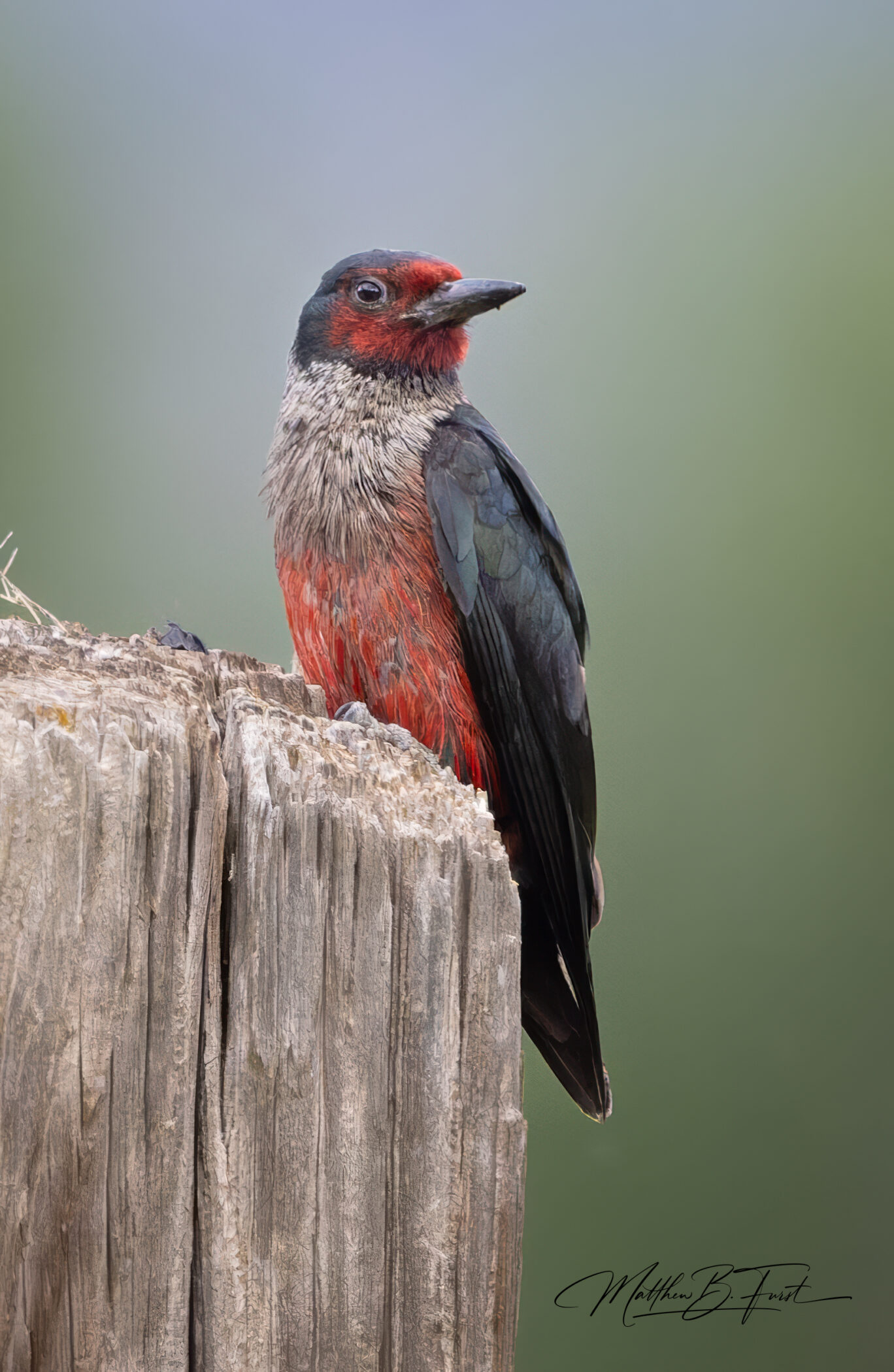
At the advanced stage, wildlife photographers have honed their technical skills and developed a unique artistic vision. Their work becomes more complex, and they continually seek new challenges to push the boundaries of their craft. They use their technical expertise to experiment with creative techniques and artistic expressions, playing with lighting, shadows, and perspectives to create visually stunning and emotionally evocative images. Their work often tells a story or conveys a message about wildlife conservation and the beauty of nature.
Photographers at this level seek out rare and elusive species, often traveling to remote and inhospitable environments. They might photograph animals in extreme conditions, such as polar regions, high-altitude mountains, or deep jungles. Their portfolio showcases a diverse range of species and habitats, reflecting their dedication and perseverance.
Many advanced wildlife photographers become advocates for wildlife conservation. They use their images to raise awareness about endangered species and threatened habitats. Their work is often featured in exhibitions, publications, and conservation campaigns, inspiring others to appreciate and protect the natural world.
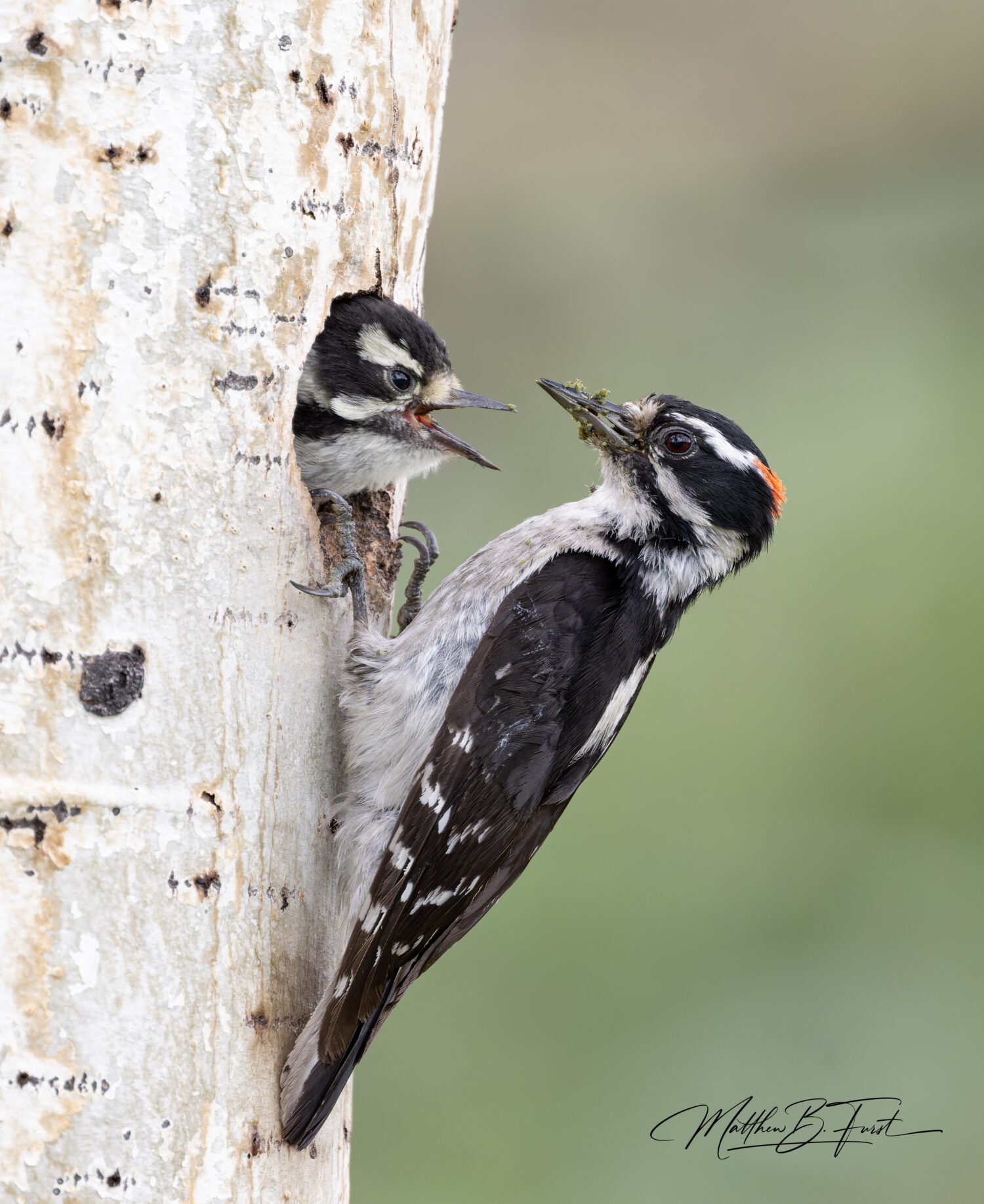
The progression of a wildlife photographer is a journey of continuous learning, exploration, and artistic growth. From mastering the basics of camera functions to capturing complex scenes in challenging environments, and from simple post-processing to advanced digital enhancements, each stage of this journey brings new skills, experiences, and opportunities for creative expression. Ultimately, the evolution of a wildlife photographer is a testament to their passion for nature and their commitment to sharing its beauty with the world.
Enjoying the journey of becoming a wildlife photographer is essential, as it enriches the overall experience and fosters personal growth. While it’s easy to become fixated on achieving perfect shots or reaching professional milestones, the true reward lies in the process itself. Each outing into nature offers unique encounters and learning opportunities, allowing photographers to develop patience, resilience, and a deeper connection with the natural world. Embracing the challenges and celebrating small victories along the way makes the pursuit more fulfilling and sustainable. By focusing on the journey rather than the destination, wildlife photographers can maintain their passion and creativity, ultimately leading to more meaningful and impactful work.