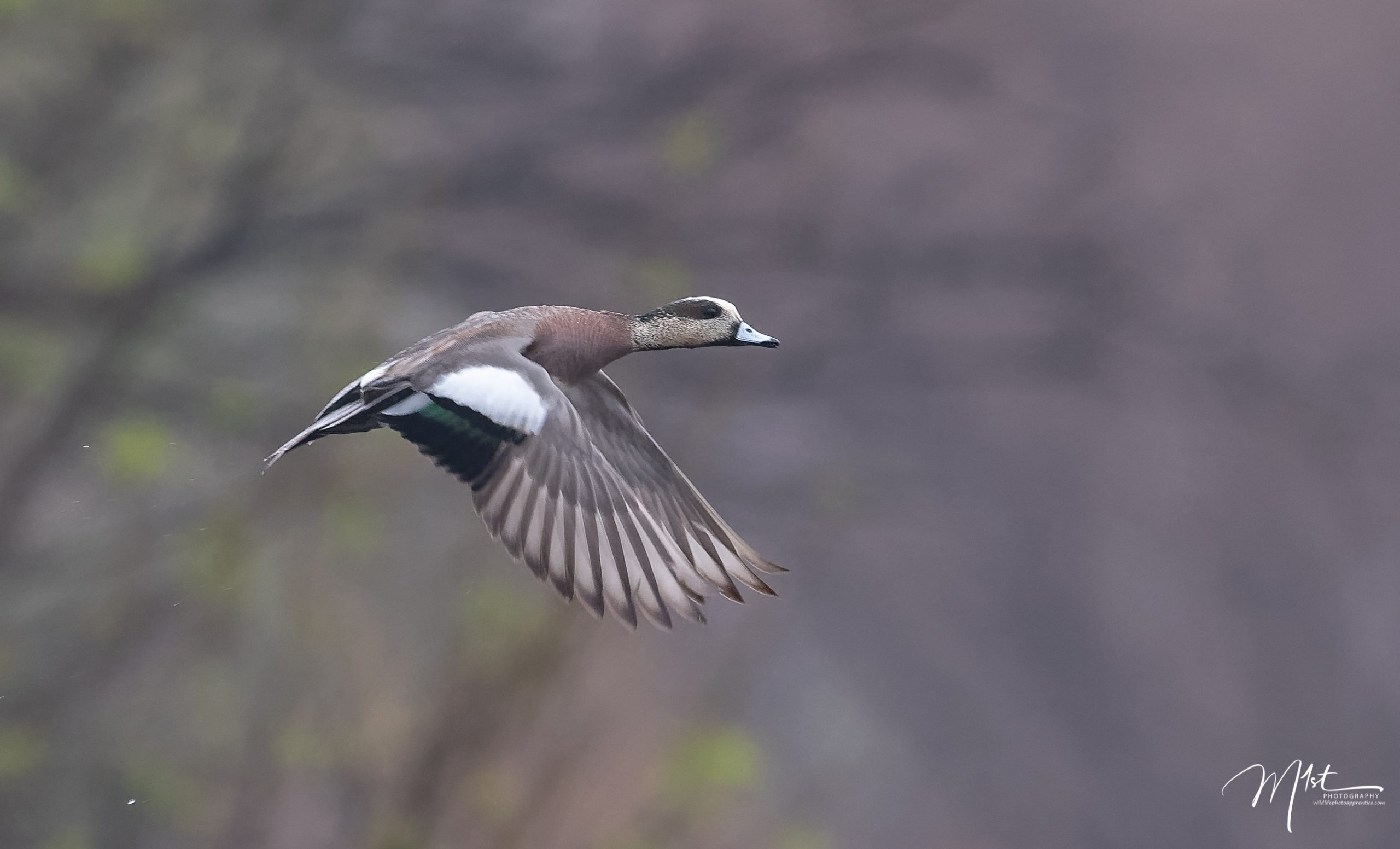
Bosque Del Apache and T or C : Great wildlife, good food, hot springs and a spa

Have you ever wanted to go somewhere on vacation and spend all day taking wildlife photographs but weren’t exactly into roughing it?  Maybe your spouse isn’t all that excited to spend the day watching you stare at a bird, waiting to take that perfect photo.  If that sounds familiar, do I have the trip for you.

Continue reading “Bosque Del Apache and T or C : Great wildlife, good food, hot springs and a spa”

Wildlife Photography, Mine’s broken

We use this saying around my house anytime  someone doesn’t know how to work something. It has its origin in the movie Pretty Woman. In the scene at the opera, Julia Roberts doesn’t know how to use her opera glasses and famously says   ” Mine are broken”, only to have Richard Gere show her the proper way to use them.  I read so many photography forum posts on the  internet from people blaming their equipment for their blurry out of focus wildlife photos and assuming their lens or camera is not working properly.  I suspect the majority of the time they haven’t spent the necessary time and effort to learn how to use their expensive new camera equipment properly.

Continue reading “Wildlife Photography, Mine’s broken”

A Snowy Owl in West Texas

It doesn’t often snow in West Texas, but strange things happen, and if you live long enough you’ll see some of them.  In the winter of 2017, we had an unusual visitor,  a Snowy Owl in West Texas.  In early December I was out with another photographer at our local wildlife preserve taking photos of birds when he told me his daughter had seen a large white owl in the parking lot of their church the day before.  I told him it was most likely a barn owl as they are native to the area and can be white or very light in color.  When he pulled out his phone and showed me a video she had taken I could hardly believe what I was seeing.  To my disbelief, the video showed a large Snowy Owl.

Continue reading “A Snowy Owl in West Texas”

Beep Beep

Was out this afternoon looking for things to shoot.  I didn’t come across Wile E Coyote  but I did  I come across a Road Runner or Chaparral.  According to the Audubon website, the roadrunner is the most famous bird in the southwest, featured in folklore and cartoons, known by its long tail and expressive crest. The Roadrunner walks and runs on the ground, flying only when necessary. It can run 15 miles per hour, probably with much faster spurts when chasing a fast-running lizard or other prey. Its prowess as a rattlesnake fighter has been much exaggerated, but it does eat a remarkable variety of smaller creatures.

Continue reading “Beep Beep”

Everybody wants to see a cat

The local wildlife preserve has an unusually diverse flora and fauna given its size and location.  One mammal that is native to West Texas and the preserve and always a treat to see, is the Bobcat.  On most days I arrive just before sunrise in order to increase my chances of seeing one but today I was a bit later due to heavy fog.  Shortly after arriving, walking down the trail, I noticed movement and discovered a single mature Bobcat was ahead of me on the trail.

Continue reading “Everybody wants to see a cat”

Wildlife Photography Tips: I feel the need. The need for speed.

One of the most iconic lines from the 1986 movie Top Gun. If Maverick had been out shooting  geese in flight, instead of shooting  planes with Goose, his top priority would still have been the need for speed, but a few other things would have come in handy as well.  Almost every wildlife photographer starts out photographing birds. Birds are the most readily accessible and abundant wildlife in our environment.  In the beginning capturing a simple still portrait like the cardinal below is challenging and fulfilling.  If we manage something sharp and clear we’re satisfied and happy.  Sooner or later though we become comfortable with the techniques associated with still images, and there is a desire to challenge ourselves further.  For birds this means capturing birds while in flight.

Continue reading “Wildlife Photography Tips: I feel the need. The need for speed.”

Wildlife Photography Tips. Slow down, you’re moving too fast

Paul Simon wrote the 59th Street Bridge Song (” Feeling Groovy “) in 1966. The song starts with the lyrics, “slow down your moving too fast, you got to make the morning last”. I think of that song often and the message it was trying to send. It applies to every aspect of our lives. Nowadays, we all have more to do than we have time to do it. One of the reasons I picked up a camera in the first place was to force me to slow down and see the world in a different light, so to speak. It’s never more important to slow down than when trying to photograph wildlife. Nature works on its own time, and it’s not in a hurry. I think a Chinese philosopher said that, or something like it. Anyway, slow down. Nature rewards the patient photographer.

Continue reading “Wildlife Photography Tips. Slow down, you’re moving too fast”

Beginning Wildlife Photography, The Golden Hour

Photography is all about the light. In fact, without it photography itself would be impossible. We all know that the character and quality of natural light changes throughout the day. Who hasn’t enjoyed watching the sunrise and marveling in the golden light that is present for the hour after. In photography the hour after sunrise and the hour before sunset are referred to as the Golden Hours. Daylight is redder and softer than when the Sun is higher in the sky. When the sun is near the horizon, sunlight travels through a greater depth of atmosphere, reducing the intensity of the direct light, so that more of the illumination comes from indirect light from the sky reducing the lighting ratio. More blue light is scattered, so if the sun is present, its light appears more reddish. In addition, the sun’s small angle with the horizon produces longer shadows. Continue reading “Beginning Wildlife Photography, The Golden Hour”