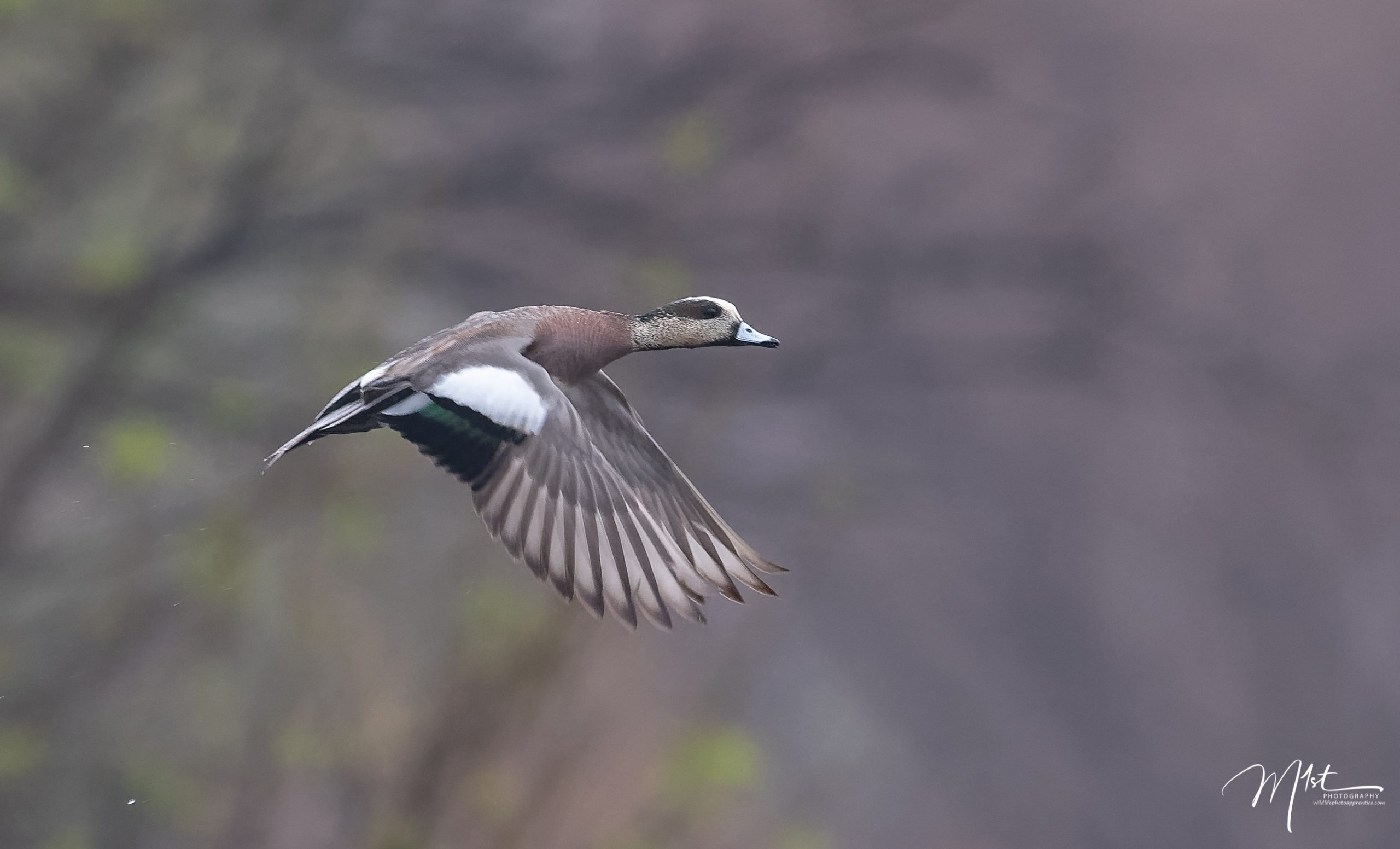
Wildlife Photography Tips: I feel the need. The need for speed.

One of the most iconic lines from the 1986 movie Top Gun. If Maverick had been out shooting  geese in flight, instead of shooting  planes with Goose, his top priority would still have been the need for speed, but a few other things would have come in handy as well.  Almost every wildlife photographer starts out photographing birds. Birds are the most readily accessible and abundant wildlife in our environment.  In the beginning capturing a simple still portrait like the cardinal below is challenging and fulfilling.  If we manage something sharp and clear we’re satisfied and happy.  Sooner or later though we become comfortable with the techniques associated with still images, and there is a desire to challenge ourselves further.  For birds this means capturing birds while in flight.

Continue reading “Wildlife Photography Tips: I feel the need. The need for speed.”

Wildlife Photography Tips. Slow down, you’re moving too fast

Paul Simon wrote the 59th Street Bridge Song (” Feeling Groovy “) in 1966. The song starts with the lyrics, “slow down your moving too fast, you got to make the morning last”. I think of that song often and the message it was trying to send. It applies to every aspect of our lives. Nowadays, we all have more to do than we have time to do it. One of the reasons I picked up a camera in the first place was to force me to slow down and see the world in a different light, so to speak. It’s never more important to slow down than when trying to photograph wildlife. Nature works on its own time, and it’s not in a hurry. I think a Chinese philosopher said that, or something like it. Anyway, slow down. Nature rewards the patient photographer.

Continue reading “Wildlife Photography Tips. Slow down, you’re moving too fast”

Wildlife Photography Tips. Wow, this lens is heavy!

I can’t tell you how many times I’ve thought that to myself while walking with my supertelephoto lens. Currently I have a Nikon 500mm F4. This lens, as well as the rest of the supertelephoto group, is heavy. These lenses weighs in at around 10lbs, give or take a pound. Lugging them around is a chore. While you might occasionally take a few handheld shots with these superteles, you need to have some form of stabilization in order to consistently get keeper shots. The solution is a mono pod or tripod with some type of head. Together with your camera, battery grip, and lens, a tripod or mono pod with head adds to the weight. There needs to be a way to carry your rig comfortably, over significant distance and have it remain immediately available for use should a wildlife photography opportunity present itself. I have looked at and tried a number of combinations and the one I find most useful is this. Continue reading “Wildlife Photography Tips. Wow, this lens is heavy!”