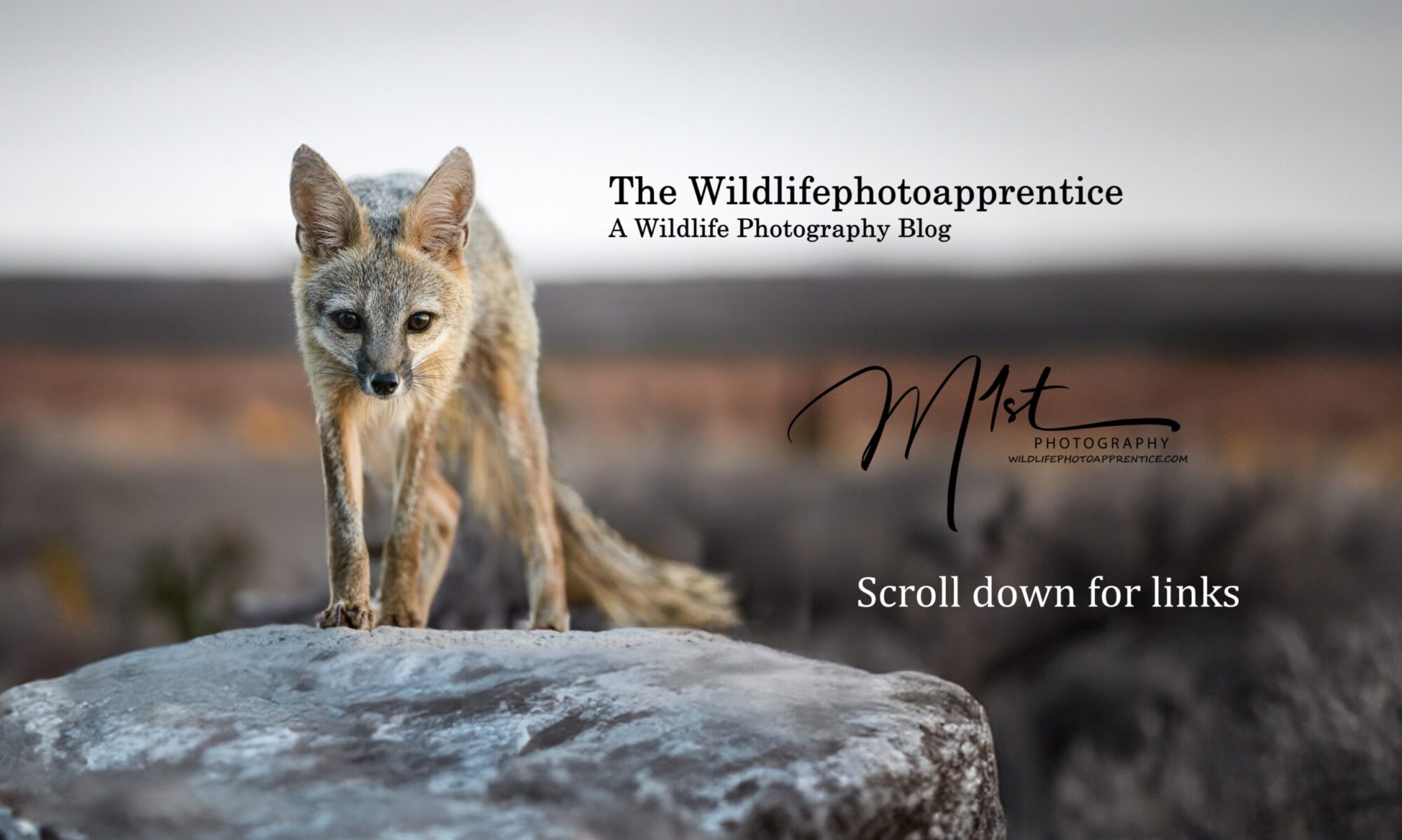
We look with our eyes, but see with our souls. Wildlife photography is a discipline that often divides itself into two distinct yet intertwining domains: the technical and the creative, looking and seeing. Both are essential for producing images that resonate, but their paths to mastery offer very different challenges and rewards. Looking can be practiced through repetition and measurement; seeing can only be cultivated through awareness and connection. This article explores these two facets in depth, illustrating how understanding their synergy can transform your wildlife images from simple records into true works of art.
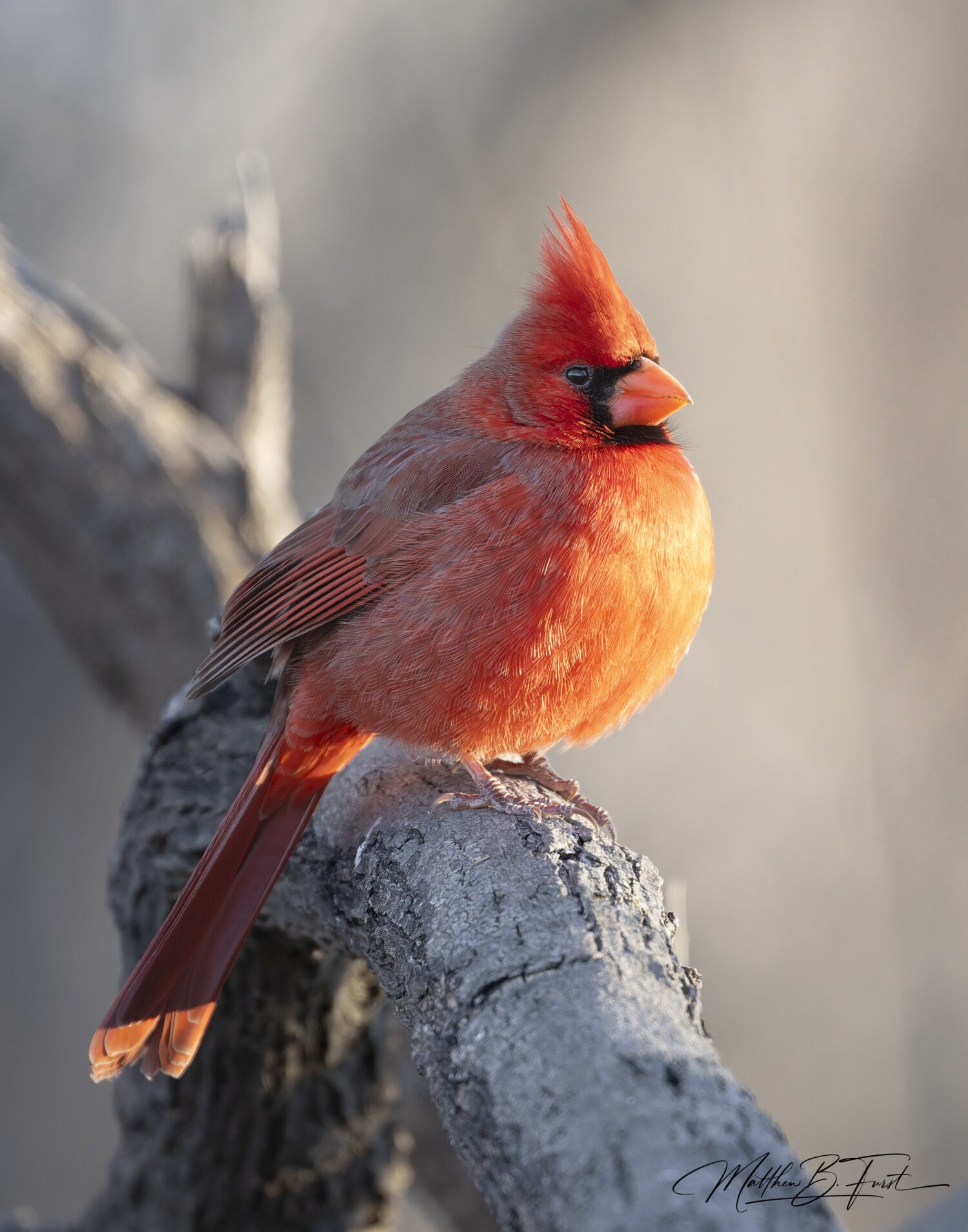
The Technical Side: The Science of Looking
The technical aspect of wildlife photography is rooted in physics, biology, and mathematics. It begins with the simple act of looking—perceiving with the eyes and translating light into an image. Light passes through the lens, it enters the eye, stimulates the retina, and generates impulses that the brain interprets as a visual scene: a fox trotting through dawn mist, an eagle spiraling over a canyon, the vibrant colors of dusk over a grassland.
In practice, this means:
- Understanding exposure: This revolves around the exposure triangle—shutter speed, aperture, and ISO. Mastering these allows photographers to control the amount of light that hits the sensor, balancing brightness with sharpness and minimizing noise.
- Precision with autofocus and metering: In wildlife photography, split-second decisions about where to focus and how to meter light spell the difference between a crisply detailed subject and a missed opportunity.
- Technical choices for outcome: Depth of field can isolate subjects or immerse them within their environment. Fast shutter speeds freeze motion; slow speeds invite intentional blur for artistic effect.
- Equipment proficiency: Knowing your camera’s limitations and settings by heart expands your toolbox and speeds your response to fleeting wildlife moments.
Technical mastery, then, is about fluent camera operation—being so familiar with the tools that adjustments and decisions happen instinctively, freeing the eye and mind to respond to the environment rather than fumble with gears and buttons.
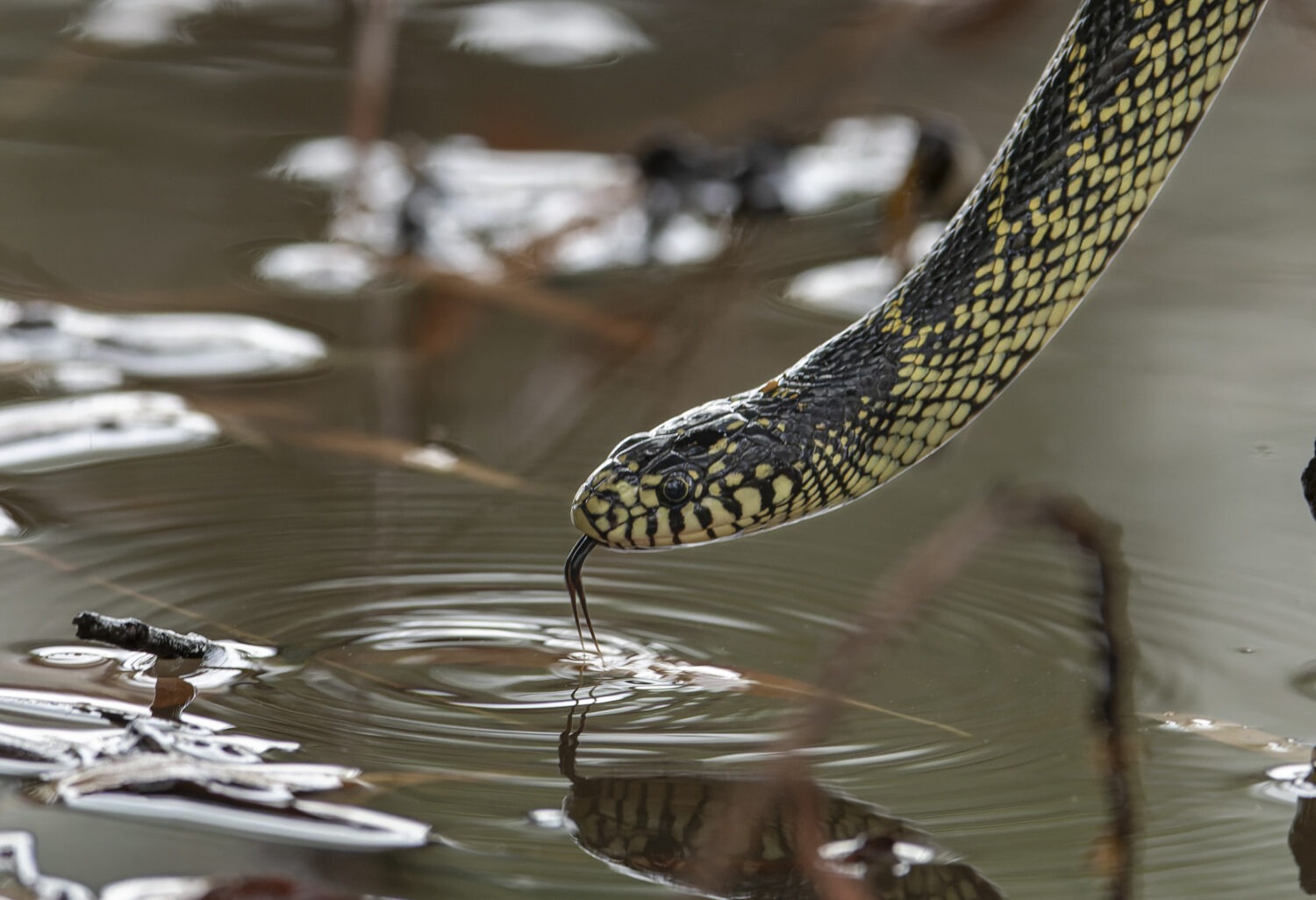
The Creative Side: The Art of Seeing
But photography is not simply about recording what exists; it is equally about seeing—perceiving, feeling, inferring meaning, and communicating a story. Seeing is inspired by the soul, not just the eye. The creative dimension is what transforms a photograph from a mere technical exercise into an emotional narrative.
Key elements of creative seeing include:
- Composition: Where you place a subject within the frame, how you use lines, shapes, and patterns to guide the viewer’s eye, and whether you choose to fill the frame tightly or embrace negative space. The choices are vast, and every composition tells a different story.
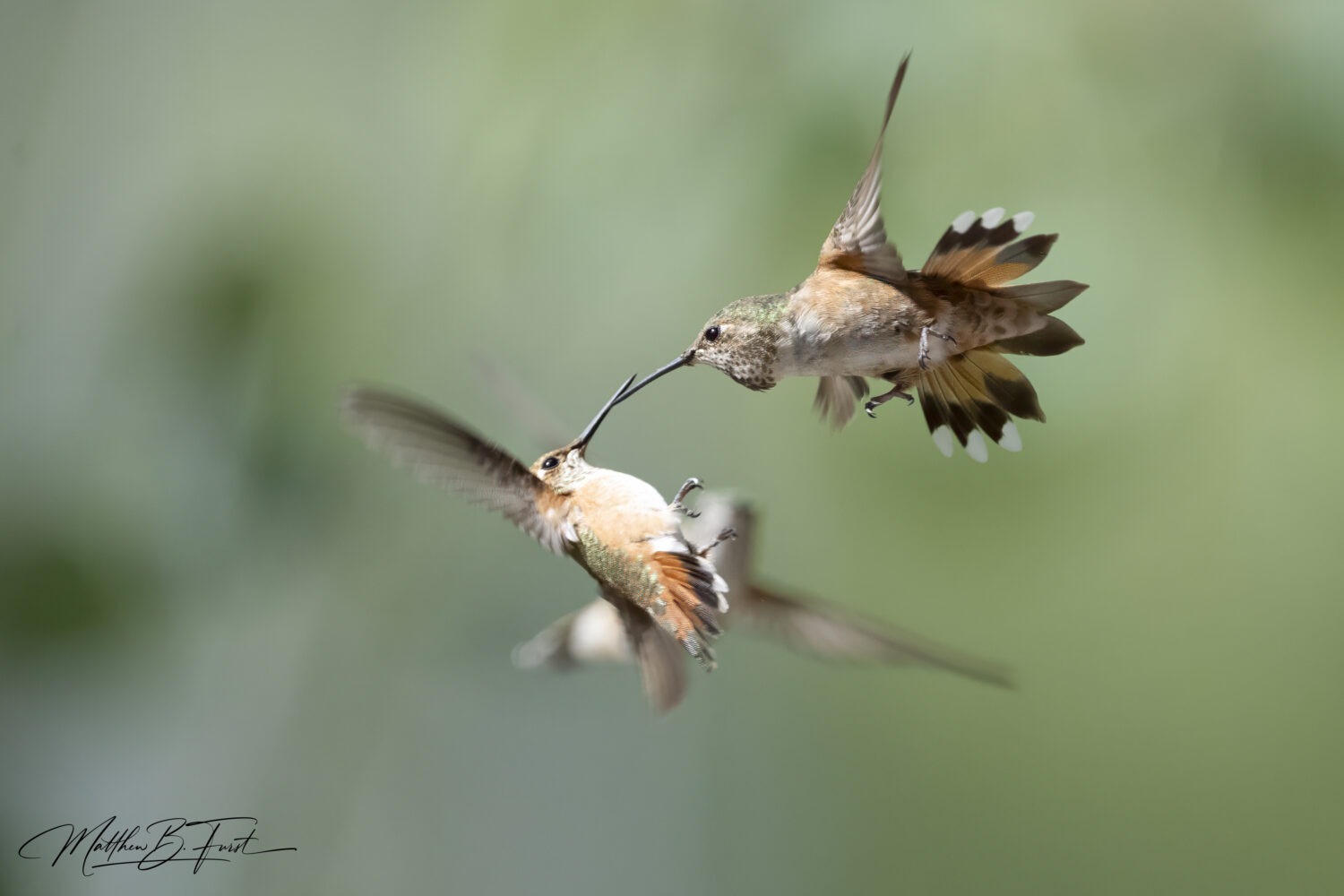
- Timing: Light changes rapidly in nature; mood shifts with weather and behavior. Capturing the decisive moment—whether a bird stretches its wings in perfect silhouette, or a deer pauses at the water’s edge—requires intuition and attentiveness.
- Color and emotion: The palette of colors, especially at dawn and dusk, evokes powerful emotional responses. Warm reds and oranges in a sunset can stir awe; soft blues at twilight may invite calm or melancholy.
- Storytelling: The greatest wildlife photographs capture a moment that hints at a larger story—predator and prey, struggle and survival, majesty and vulnerability. This narrative element is what elevates an image, inviting viewers to imagine and empathize.
- Experimentation: Creative techniques, such as intentional camera movement and multiple exposures, open new possibilities for abstract or painterly effects that defy mere documentation.
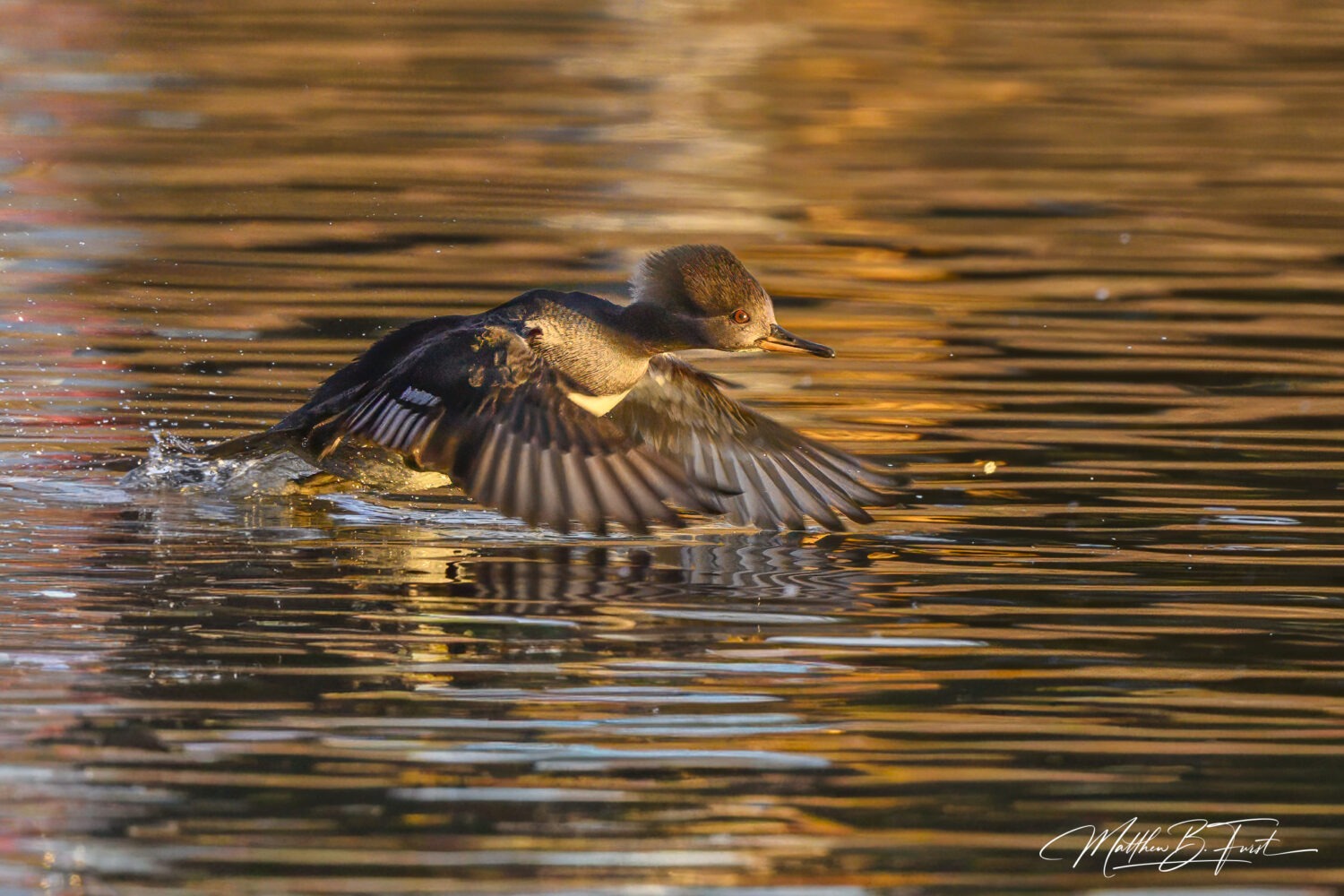
Bridging the Divide: Balancing Science and Spirit
Too often, wildlife photographers focus exclusively on one domain: either obsessing over technical perfection or prioritizing creative expression to the exclusion of clarity and focus. In reality, the best images result from a balance. Technical skill provides structure and reliability, ensuring that the image is readable, sharp, and well-exposed. Creativity provides the heart, lending each image a distinct identity and emotional power.
Consider the following:
- A technically perfect photo may lack impact if it does not evoke emotion.
- A creatively bold image can falter if technical flaws distract or muddy the intent.
- Mastering both sides frees the photographer to respond fluidly to the shifting challenges of wildlife—the uncertainty of animal movements, dramatic weather changes, and highly variable lighting conditions.
Practical Steps to Develop Both Sides
Practical strategies for balancing technical and creative growth include:
- Study and practice: Learn your equipment’s functions until adjustments become second nature. Only then is your mind truly free to focus on the scene and story unfolding before you.
- Experiment regularly: Challenge yourself with new techniques—play with intentional camera movement, push composition boundaries, shoot in variable lighting, and capture both wide landscapes and close-ups of textures or details.naturessakephoto
- Reflect on your images: Review your work critically. Ask yourself: does the image communicate what you felt or observed? Are technical issues minimizing its impact? What might you do differently next time?
- Seek feedback: Join communities, share your work, and invite critique from photographers with varied perspectives. Sometimes, others see creative possibilities or minor technical faults you missed in the heat of the moment.
- Embrace failure: Wildlife photography is rife with missed shots and unpredictability. Use every “failure” as an opportunity to refine both your technical setup and your creative approach.
In the Field: A Case Study
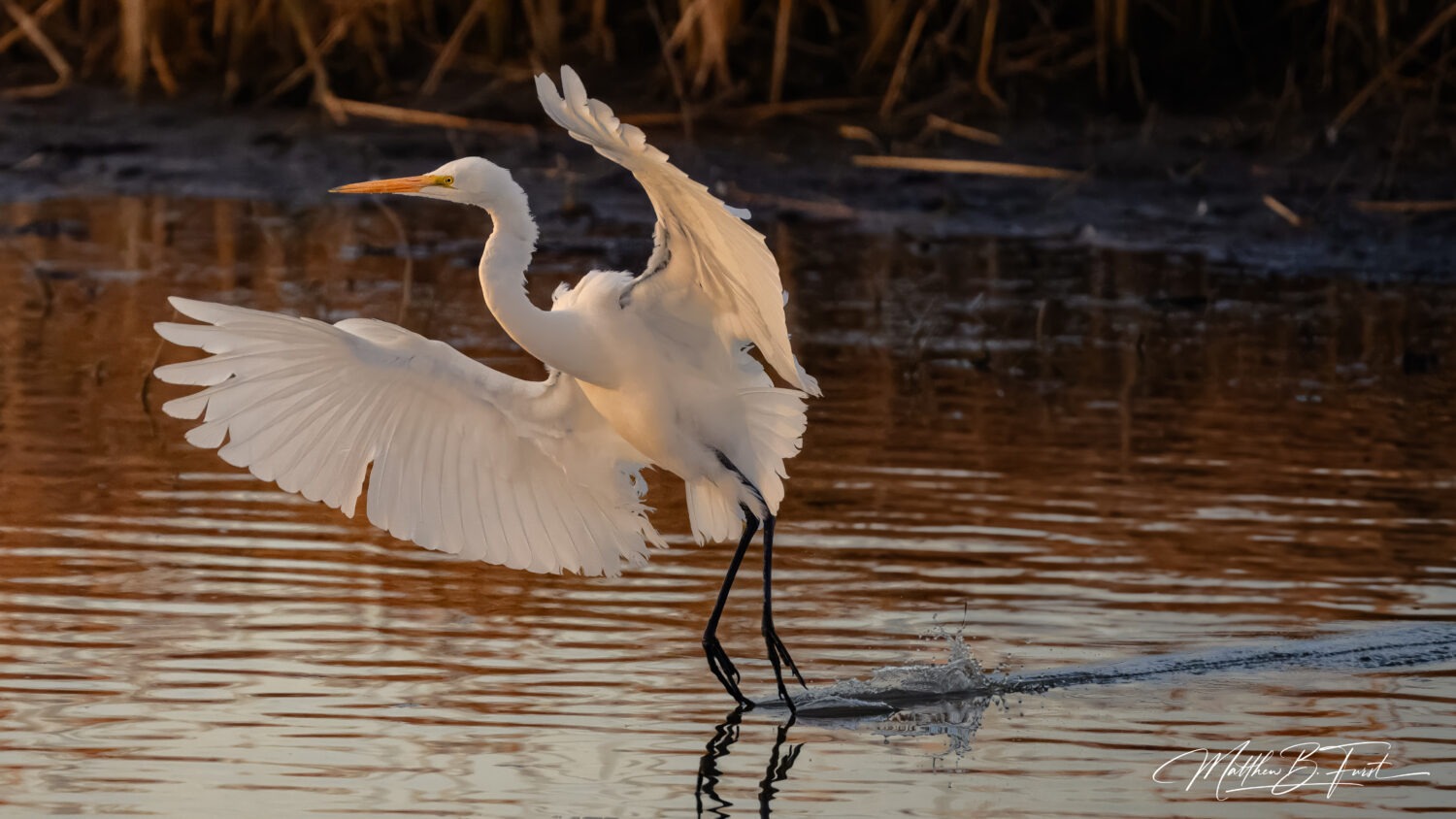
Imagine you find yourself in a wetland at sunrise. The sky is alive with color, a heron stands silhouetted amid reeds. The technical choices are immediate: you check your settings for exposure and focus, dial in a shutter speed to freeze the bird’s movements, opt for a soft background blur using a wide aperture. Once these choices are made and set, attention turns fully to the creative: where will you stand, how will you frame the heron against the riot of sky, which moment conveys the beauty and mystery you feel in that dawn hush? When both elements are united, what you capture will be technically sound and deeply meaningful.
The Journey of Mastery
Ultimately, wildlife photography is a journey—one that constantly asks you to learn, observe, and connect. The deeper you travel, the clearer the importance of balancing the technical and creative becomes. Cameras will improve, new gear will emerge, but the practice of responding to the world with both precision and passion is timeless.
A technically flawless image without heart remains just a record. An evocative, creative photo with poor exposure or blurry focus may frustrate more than inspire. Aim for the synthesis. Work persistently to look with skill, and see with soul. This balance—between the mechanical and the imaginative—transforms wildlife photography into both science and art.
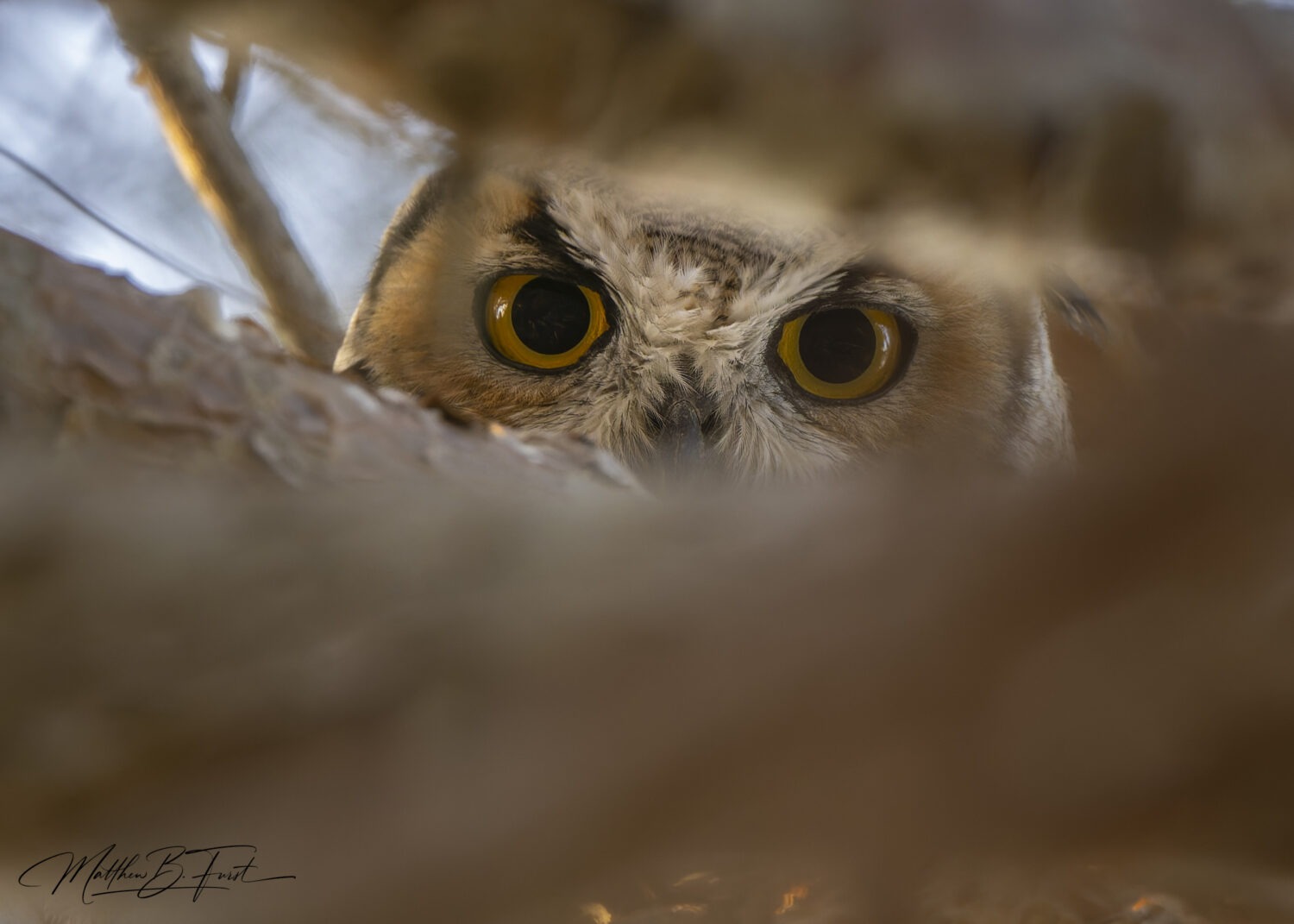
Tin Man Lee, in his insightful work on wildlife photography, argues compellingly that the ultimate goal is not mere technical perfection, but the creation of stories that move people. This demands a merger of technical skill and creative intent, moving past the common trap of being a “copycat” who captures “pretty pictures” without an authentic voice. Lee encapsulates this creative purpose in the formula: Mood + Emotion = Story. To achieve this narrative depth, he outlines five crucial elements, starting with Simplicity—a call to use technical mastery to “declutter” the scene and isolate the essential subject, rather than relying on heavy post-processing. This is immediately followed by Mystery, a powerful tool for engagement, where the photographer strategically suggests details instead of revealing everything. Through techniques like using backlight, fog, or silhouette, the image creates a necessary tension that sparks the viewer’s imagination, lifting it above the level of a beautiful but ultimately “soulless” photograph.
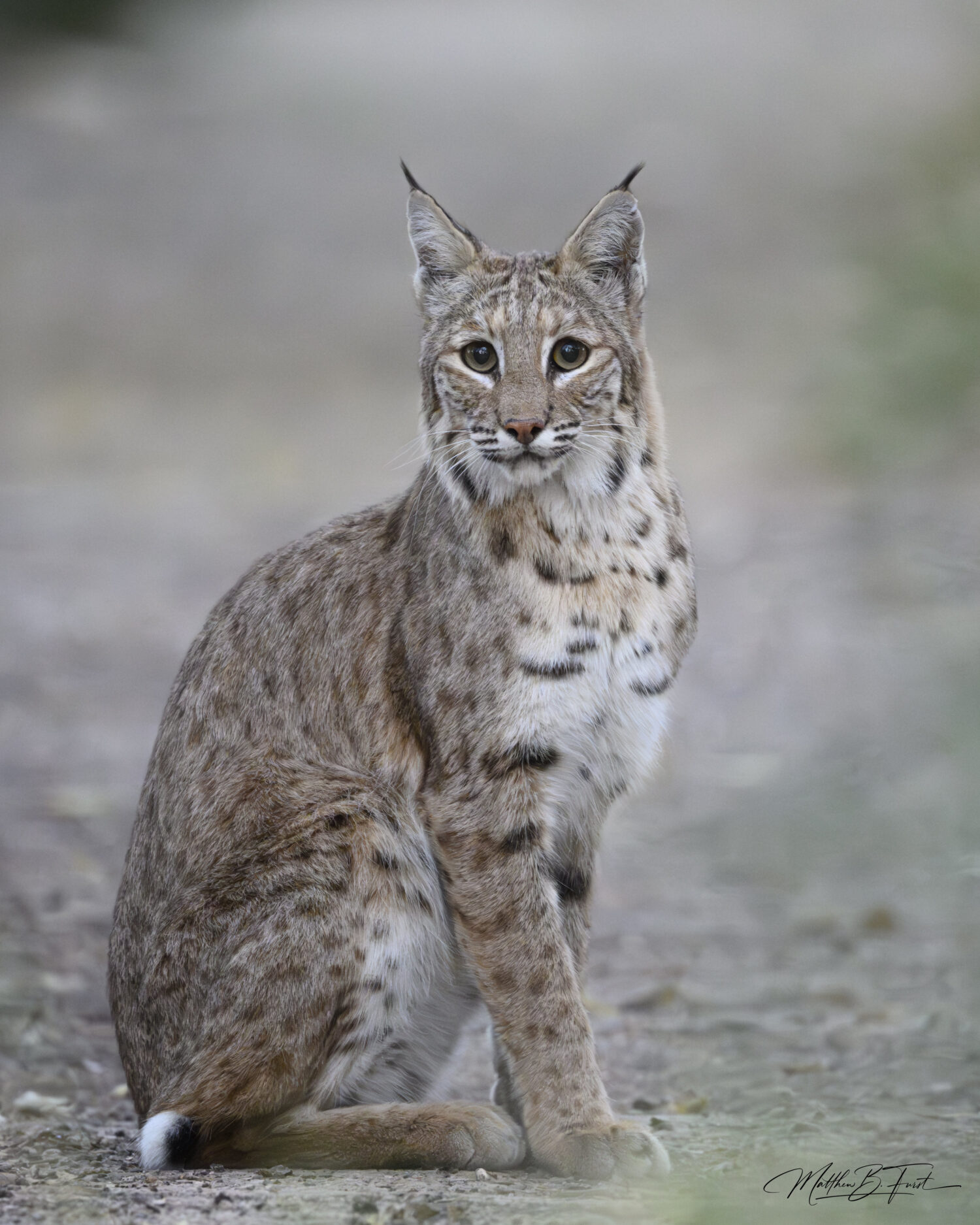
The remaining elements further define this blend of creative storytelling and technique. Beauty is defined not by aesthetics alone, but as the capture of a rare, split-second “spirit” moment that reveals a glimpse into the animal’s soul—a moment that transcends automatic, formulaic photography. Crucially, Truthfulness ties technique to ethics; the photograph’s emotional power rests on its perception as an honest record of a real event. This rejects manipulative practices like baiting or photographing captive animals, demanding that the photographer be proud of the image’s creation story. Finally, Connection is the element that seals the merger of technique and creativity, emphasizing the photo’s ultimate function: to elicit empathy in the viewer, linking the animal’s life and struggle to the viewer’s own humanity, and thereby giving the image profound meaning. (Credit: Tin Man Lee)
By expanding upon the dualities at the heart of wildlife photography, this article provides insight and practical guidance for those seeking to elevate their images from mere documentation to evocative storytelling. Looking can be practiced through repetition and measurement; seeing can only be cultivated through awareness and connection. Both are essential, but balancing them—letting the science serve the soul—is what transforms a photograph into something deeper than documentation. It becomes a translation of how the world feels, not just how it looks. Whether you are standing in the wild or behind a screen, let your lens be a bridge between the eye and the soul, technical mastery and creative vision, looking and truly seeing.