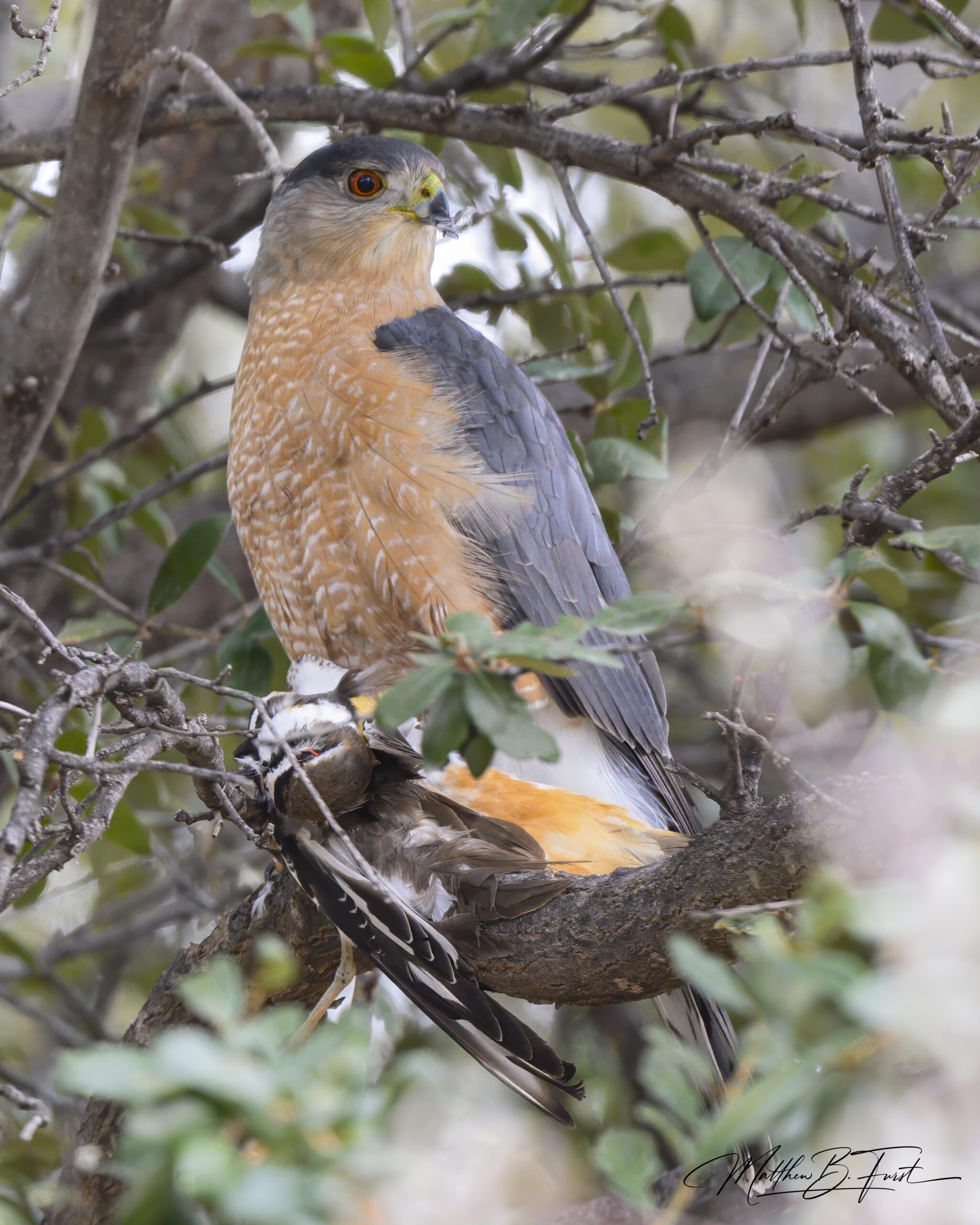
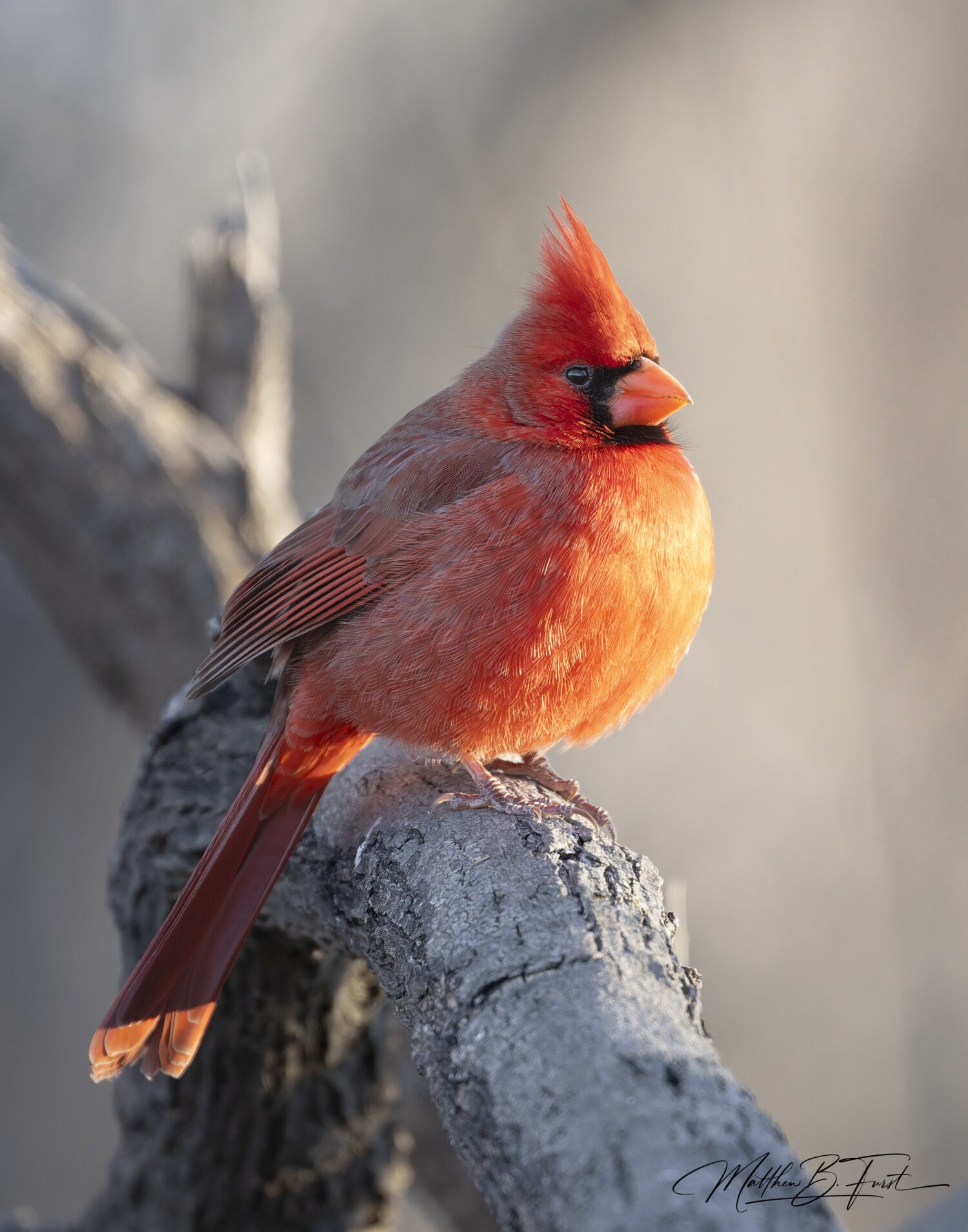
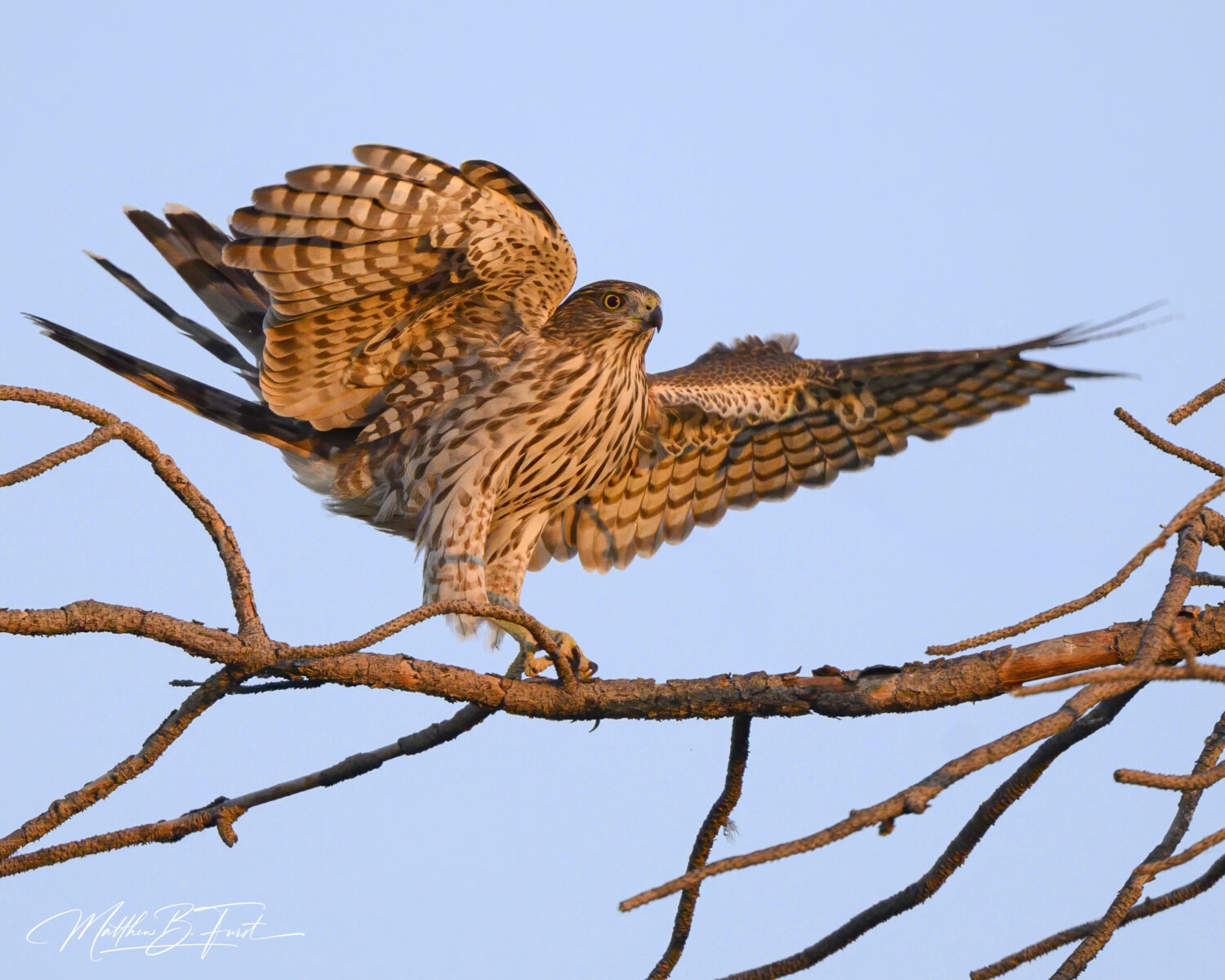
Storytelling is the heart of meaningful wildlife photography. It transforms mere documentation of animals into compelling visual narratives that evoke emotion, curiosity, and a deeper appreciation for the natural world. Unlike simple snapshots, storytelling images communicate more than what is visible—they interpret animal behavior, environmental context, and the often delicate relationship between wildlife and their habitats.
We look with our eyes, but see with our souls. Wildlife photography is a discipline that often divides itself into two distinct yet intertwining domains: the technical and the creative, looking and seeing. Both are essential for producing images that resonate, but their paths to mastery offer very different challenges and rewards. Looking can be practiced through repetition and measurement; seeing can only be cultivated through awareness and connection. This article explores these two facets in depth, illustrating how understanding their synergy can transform your wildlife images from simple records into true works of art.
When I first decided to take the plunge and switch to a mirrorless camera for my wildlife photography, I was a bit hesitant. I had been completely satisfied with my Nikon D500 and thought it was one of the best wildlife cameras I had ever owned. The thought of relearning a new camera gave me some pause. After purchasing and using my Nikon Z9, I realized very quickly that this camera was either going to be an unruly beast or a tireless companion, depending entirely on how I set it up. Over time, I realized the difference between missed opportunities and photographs worth framing, time and time again, came down to just how intuitive I could make my use of the Z9 in the field.
A Wildlife Bird Photography Adventure to Port Aransas, Texas
As an amateur wildlife photographer from Texas, as well as a father of a large family, I’m always searching for destinations that let me indulge my passion for bird photography while also serving as ideal family vacation spots. Port Aransas is one of those rare gems—a vibrant coastal town where I can capture a myriad of fascinating wildlife subjects against a stunning Gulf backdrop, all while my family enjoys sun-soaked days on the beach and delicious local cuisine. It’s the perfect blend of adventure and relaxation, making every trip both a photographic journey and a memorable family getaway.
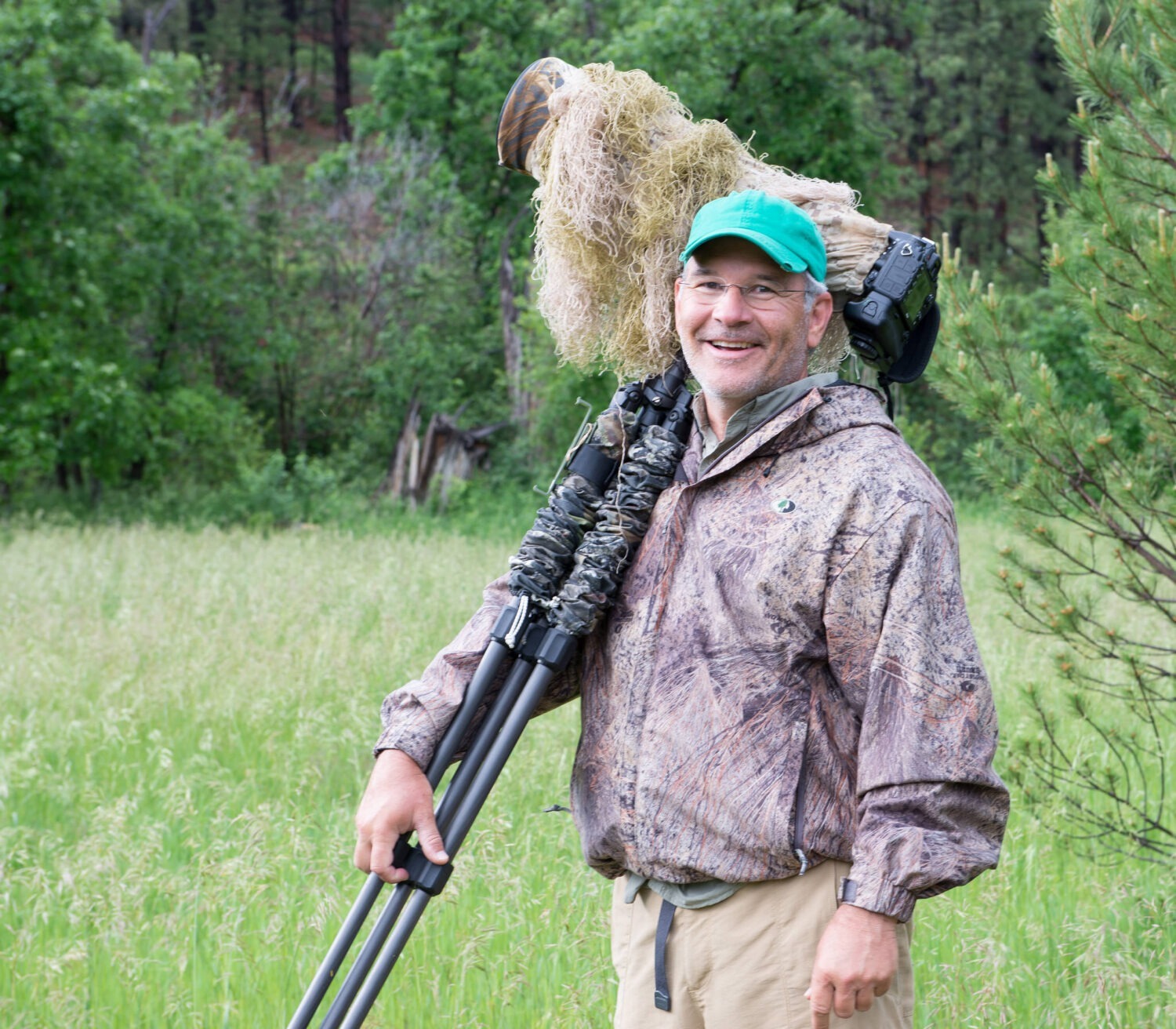
Childhood memories of playing hide and seek often evoke a sense of excitement and anticipation. In the natural world, this childhood game takes on a new dimension through the lens of wildlife photographers. Hiding from wildlife can be difficult, but doing it well can improve your chances of getting some truly amazing photos. Camouflage, the art of blending into one’s surroundings, becomes an essential tool for photographers seeking to capture elusive moments in the animal kingdom. The debate about the effectiveness of camouflage for wildlife photography seems to vary from what you read to who you talk to. Some will argue that it has little to no effect at all. That seems funny to me because the camouflage clothing industry thrives within the hunting community who have seemingly accepted its effectiveness for years. I’ve personally experienced the effectiveness of camouflage use in my wildlife photography and don’t need much convincing. From earth-toned clothing to specifically designed camouflage gear and innovative hides, photographers can employ a variety of techniques to become invisible observers. I know that camouflage won’t make you a better photographer but if used properly it will improve your opportunities.