When I first decided to take the plunge and switch to a mirrorless camera for my wildlife photography, I was a bit hesitant. I had been completely satisfied with my Nikon D500 and thought it was one of the best wildlife cameras I had ever owned. The thought of relearning a new camera gave me some pause. After purchasing and using my Nikon Z9, I realized very quickly that this camera was either going to be an unruly beast or a tireless companion, depending entirely on how I set it up. Over time, I realized the difference between missed opportunities and photographs worth framing, time and time again, came down to just how intuitive I could make my use of the Z9 in the field.
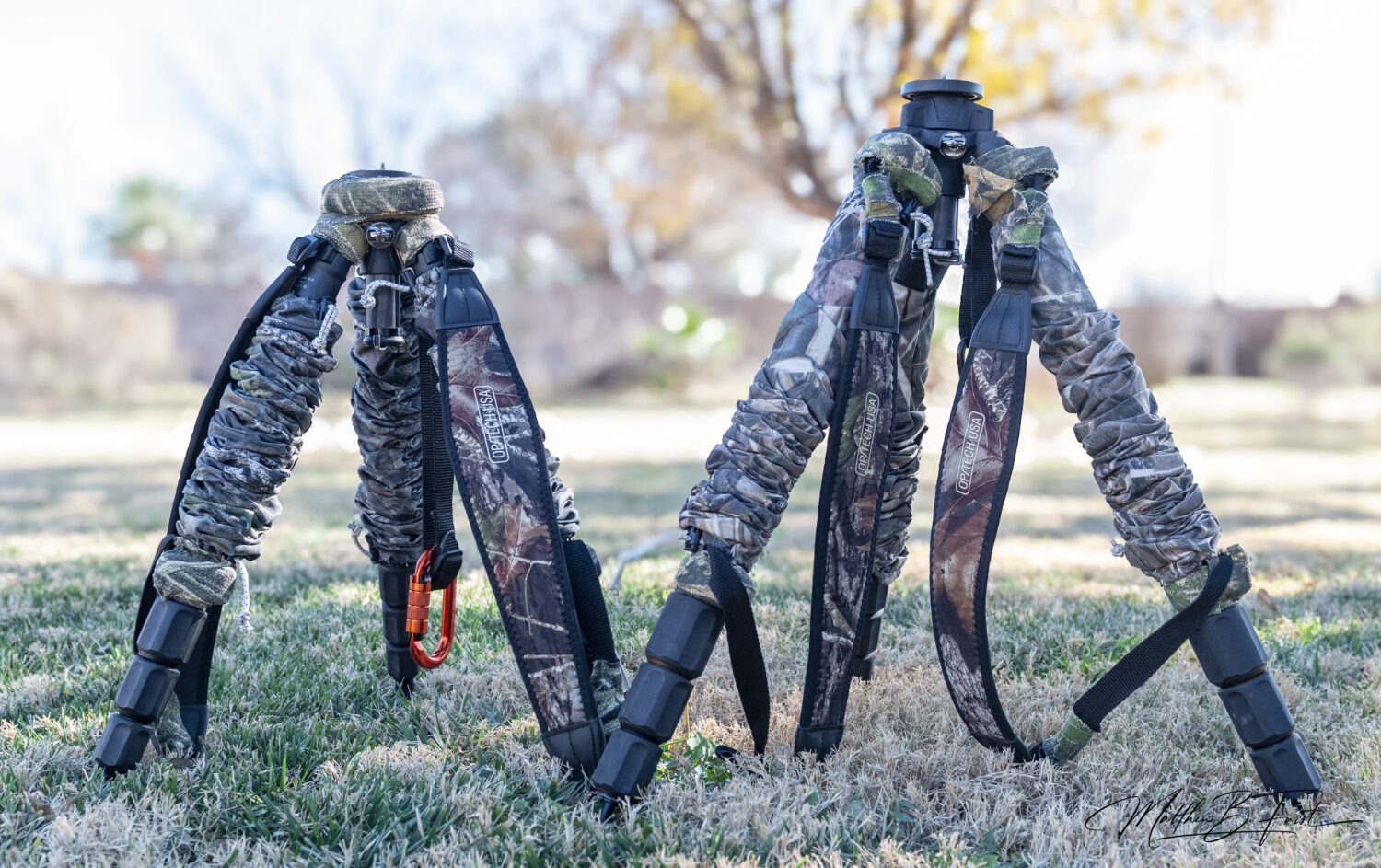
As a wildlife photographer, I’ve found that off-the-shelf monopods and tripods often fall short of meeting the unique demands of capturing nature’s fleeting moments. Through trial and error, I’ve developed several DIY modifications that have significantly improved the functionality and comfort of my gear. In this article, I’ll share my experiences and provide step-by-step instructions for these custom enhancements.
I can’t tell you how many times I’ve thought, wow this lens is heavy, while walking with my super-telephoto lens. Currently, I have a Nikon 600mm f4, as well as an 800mm. These lenses, as well as the rest of the super-telephoto group, are heavy. Some of these lenses weigh in at around 10 lbs, give or take a pound. Lugging them around is a chore. Carrying a tripod to a shooting location far from the car can have its challenges as well. While you might occasionally take a few handheld shots with these superteles, you need to have some form of stabilization to get keeper shots consistently. The solution is a monopod or tripod with some type of head. Together with your camera, battery grip, and lens, a tripod or monopod with a head adds to the weight. There needs to be a way to carry your equipment, comfortably, over a significant distance, and have it remain relatively available for use should a wildlife photography opportunity present itself. I have looked at and tried a number of combinations and the ones I find most useful involve these modifications.